Archives
- 2026-10
- 2026-09
- 2026-08
- 2026-07
- 2026-06
- 2026-05
- 2026-04
- 2026-03
- 2026-02
- 2026-01
- 2025-12
- 2025-11
- 2025-10
- 2025-09
- 2025-03
- 2025-02
- 2025-01
- 2024-12
- 2024-11
- 2024-10
- 2024-09
- 2024-08
- 2024-07
- 2024-06
- 2024-05
- 2024-04
- 2024-03
- 2024-02
- 2024-01
- 2023-12
- 2023-11
- 2023-10
- 2023-09
- 2023-08
- 2023-07
- 2023-06
- 2023-05
- 2023-04
- 2023-03
- 2023-02
- 2023-01
- 2022-12
- 2022-11
- 2022-10
- 2022-09
- 2022-08
- 2022-07
- 2022-06
- 2022-05
- 2022-04
- 2022-03
- 2022-02
- 2022-01
-
Introduction It has long been
2024-05-08
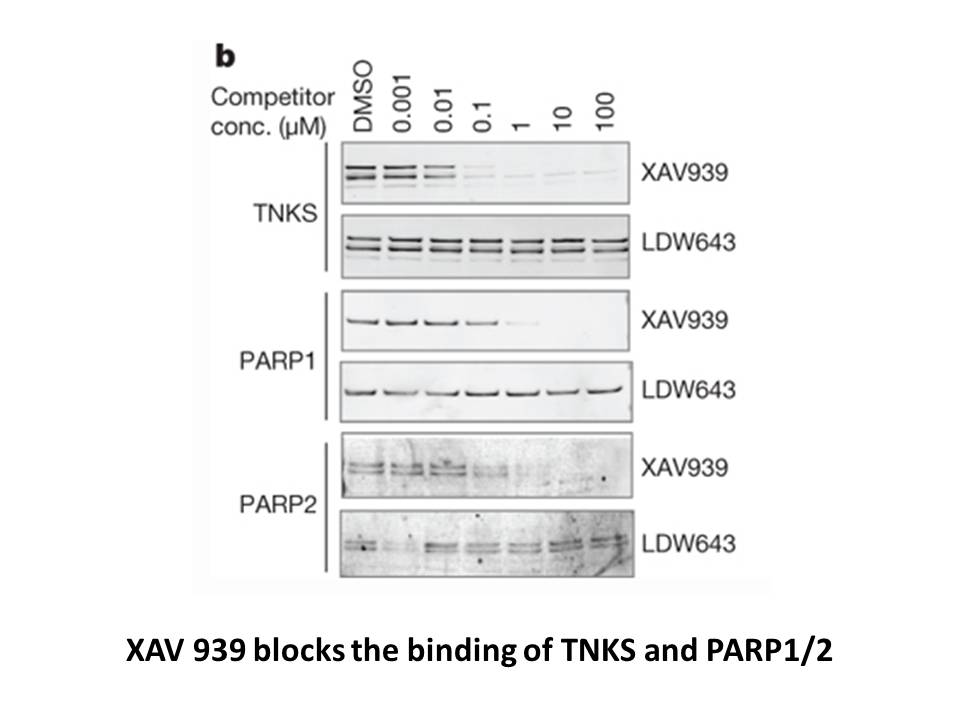
Introduction It has long been recognized that angiogenesis is critical to the growth, progression, and metastasis of many solid tumor types [1], and thus, drugs targeting the angiogenic pathway have been a topic of clinical investigation in the oncology community for many years. Angiogenesis is reg
-
That increased longevity was not the exclusive result of blo
2024-05-08
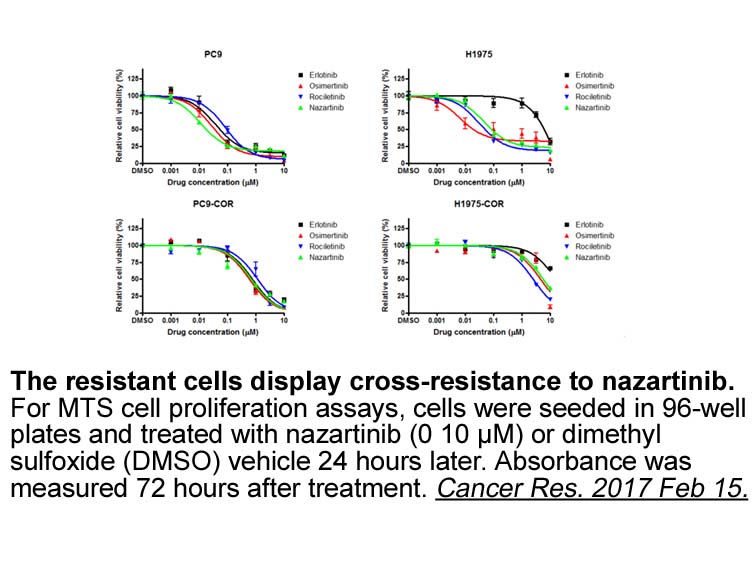
That increased longevity was not the exclusive result of blood pressure reduction. This was demonstrated by analysis of life-long, whole body deletion of AT1A receptors in normotensive mice. These animals exhibited a very significant increase in lifespan when compared to wild- type mice [159], [160]
-
However relatively little information is available concernin
2024-05-08
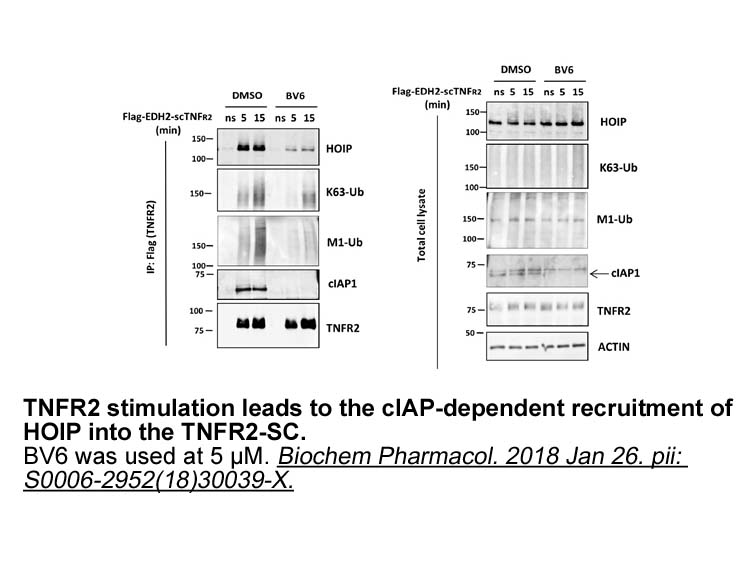
However, relatively little information is available concerning the biochemical properties and other features of such enzymes in Taeniid species. In the current report, a M17 leucine aminopeptidase gene of T. pisiformis (TpLAP) was cloned and expressed, and its enzymatic activity, biochemical propert
-
br Acknowledgment br Introduction Vascular
2024-05-08
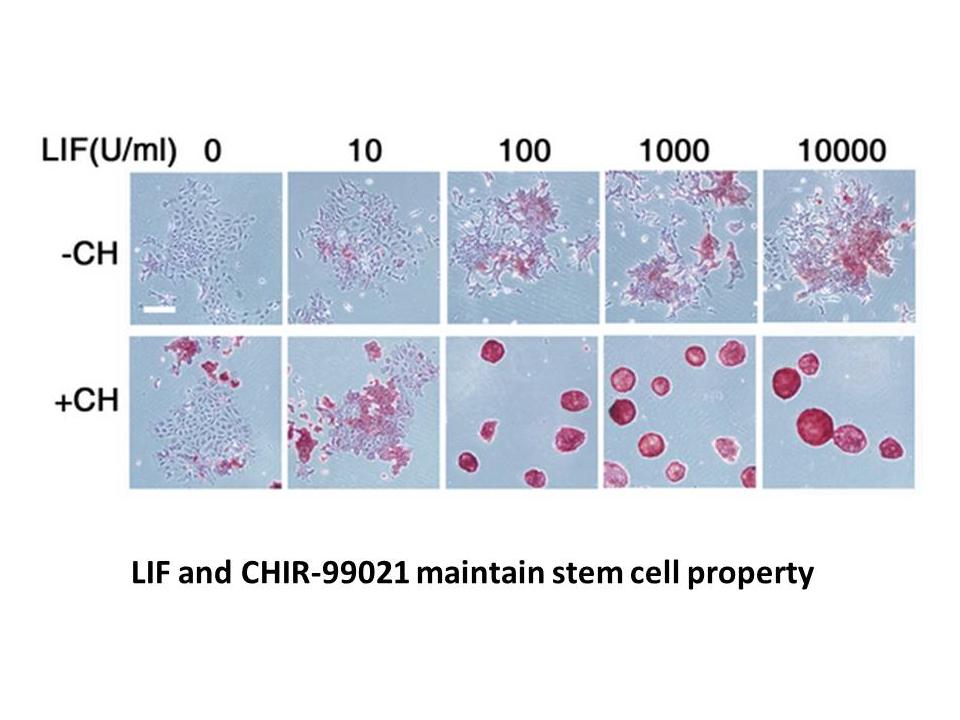
Acknowledgment Introduction Vascular smooth muscle cells (VSMC) exhibit the capacity to switch between a differentiated (contractile) and a dedifferentiated (synthetic) phenotype [1]. Synthetic VSMC express a lower amount of contractile proteins such as Smooth muscle 22α (sm22α) and α-Smooth m
-
br Discussion Myopathic EMG changes are frequently detected
2024-05-08
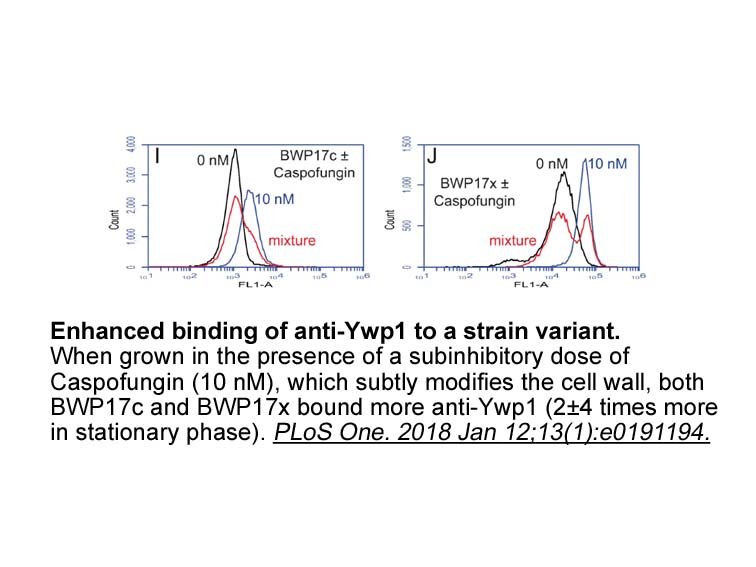
Discussion Myopathic EMG changes are frequently detected in patients with MuSK MG, unlike in AChR MG patients [10]. However, these EMG changes are not always accompanied by myopathic histopathological findings. It has been shown that mitochondrial abnormalities seem to be more prominent in MuSK M
-
Even within the context of evidence based interventions for
2024-05-08

Even within the context of evidence-based interventions for tobacco screening, the science is imperfect. For example, patients who screen positive for current smoking should receive cessation counseling and prescribed known effective nicotine replacement therapy based on the Public Health Services G
-
Specifically equity injections in a multinational
2024-05-08
Specifically, equity injections in a multinational affiliate X located in an ACE country can be passed on as lending to another group member Y located in a different country with a high corporate income tax rate. For the group member Y, the interest on the loans is tax deductible, and at the same ti
-
The synthesis and secretion of
2024-05-08

The synthesis and secretion of adrenal androgens is apparently unique to humans and nonhuman primates, and requires the expression of key mediators such as CYP17 [26]. Endocrine control of CYP17 expression in rhesus monkeys is comparable to that in humans [27]. An analysis of baboon cDNA for CYP17 s
-
Our outcrossing data confirmed that ACL and
2024-05-08
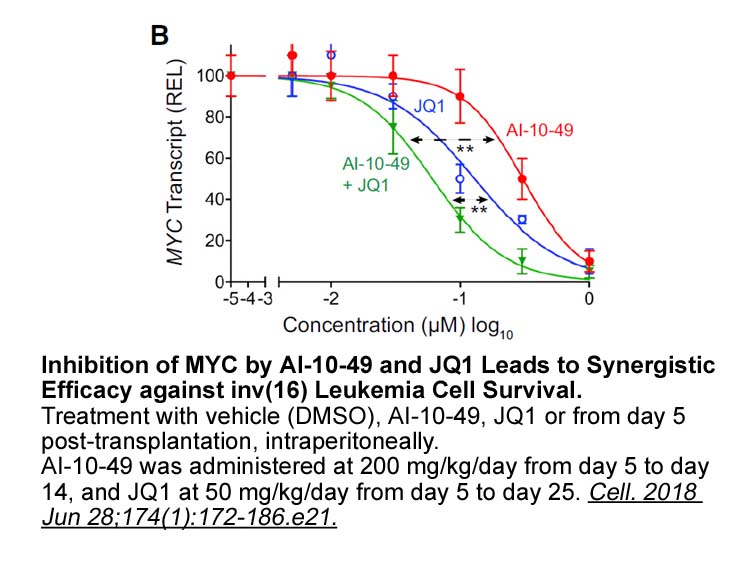
Our outcrossing data confirmed that ACL1 and ACL2 have important temporal and spatial functions in ascospore delimitation in G. zeae. When each ACL deletion mutant was used as male for outcrossing, nuclear division and spore delimitation were not properly progressed in most asci. Ascospores that con
-
Autocrine regulations of several adipokines e g leptin and r
2024-05-07

Autocrine regulations of several adipokines (e.g., leptin and resistin) on adipocytes have been reported (Karastergiou and Mohamed-Ali, 2010, Ye et al., 2010). Several lines of evidence have shown that apelin influences adipocyte functions, such as, lipolysis and glucose uptake (Dray et al., 2008, Y
-
br Acknowledgements This work was supported in
2024-05-07
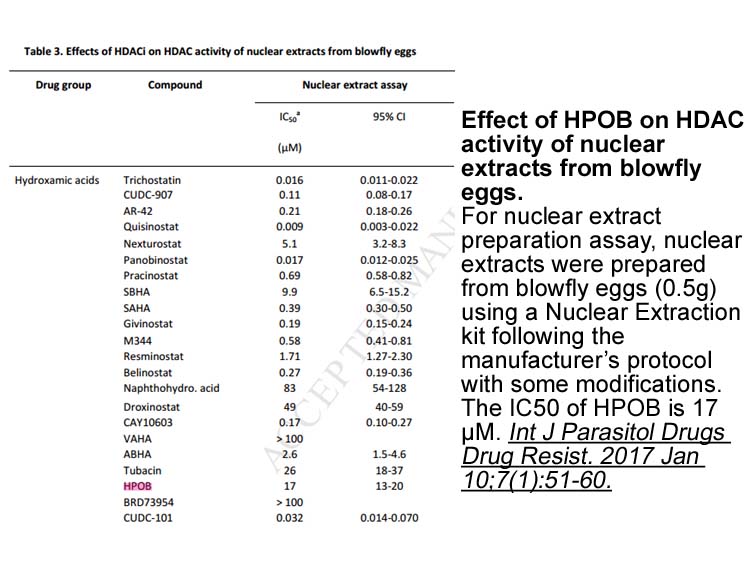
Acknowledgements This work was supported, in part, by NIH grant R01-GM071760. Introduction The MADS box genes encode a eukaryotic family of transcriptional regulators involved in diverse and important biological functions. This class of proteins has been identified in yeasts, plants, insects,
-
Inhibition of autophagy has been shown to alleviate
2024-05-07
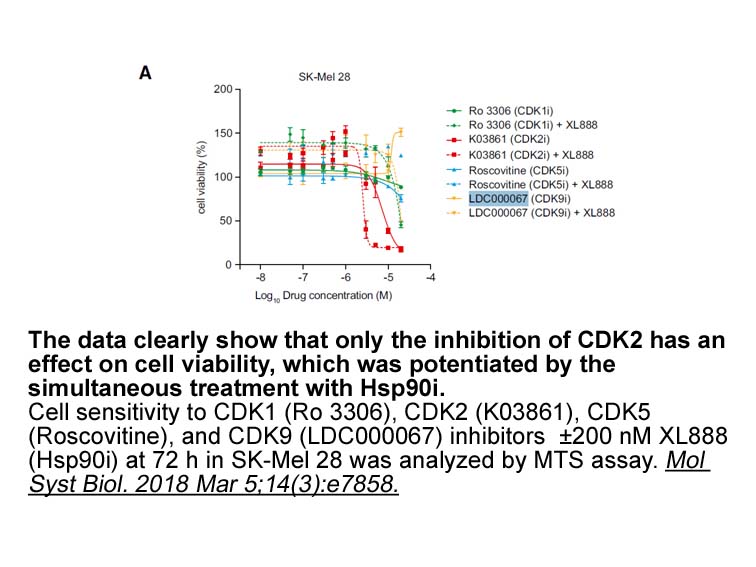
Inhibition of autophagy has been shown to alleviate neuronal damage after cerebral ischemia, both in cell culture and rodent models (Koike et al., 2008, Li et al., 2015, Wang et al., 2016, Zhang et al., 2014, Zheng et al., 2014). Therefore, blockage of autophagy is a potential target for prevention
-
LOXs and CYPs are a series of iron containing
2024-05-07
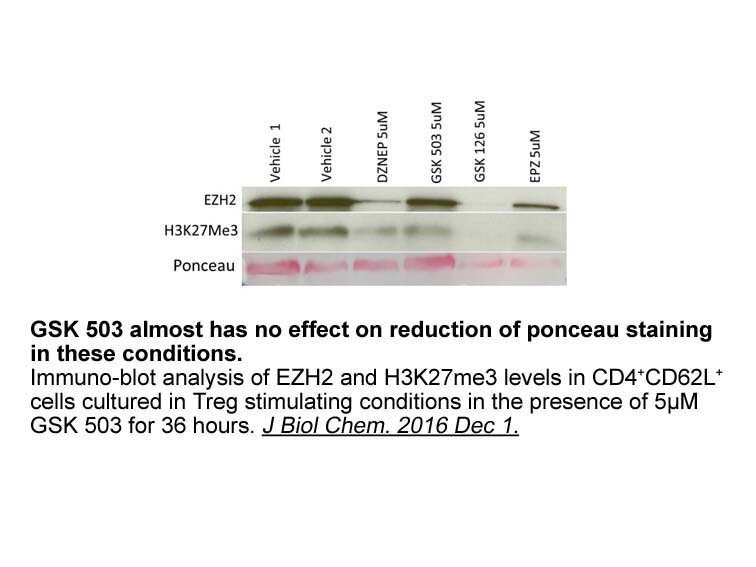
LOXs and CYPs are a series of iron-containing enzymes that metabolize arachidonic inhibitor of apoptosis to form biologically active products, such as epoxyeicosatrienoic acids (EETs) hydroperoxyeicosatetraenoic acids (HETEs), prostaglandins, leukotrienes and thromboxanes [6]. Among these mediators
-
Histochemical analyses using antibody or cDNA probes
2024-05-07
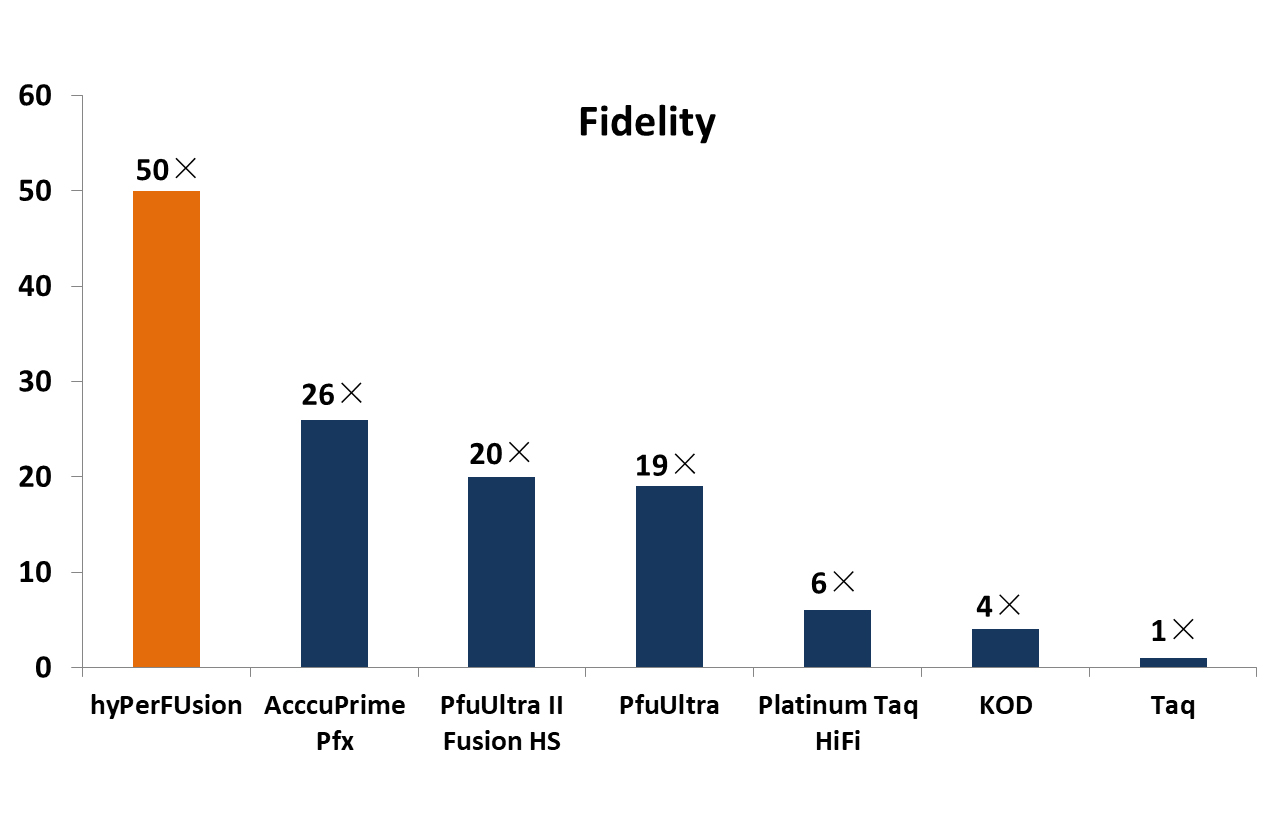
Histochemical analyses using antibody or cDNA probes reveal the precise cellular location of the 12S-lipoxygenases in tissues of interest. An immunohistochemical study in various rat tissues showed specific expression of the leukocyte-type 12S-lipoxygenase in macrophages in lung and spleen [27]. In
-
br Conclusion br Acknowledgement This work
2024-05-07
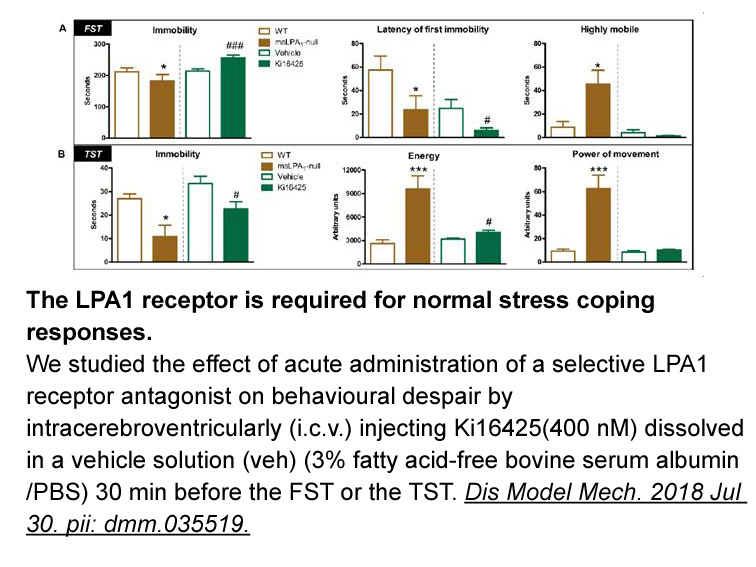
Conclusion Acknowledgement This work was supported by JSPS KAKENHI (Grant Number 15K18770). Introduction Neural crest Erastin are multipotent progenitors in the vertebrate embryo that give rise to a vast array of different cell types including pigment cells, craniofacial skeleton and mese
8111 records 191/541 page Previous Next First page 上5页 191192193194195 下5页 Last page