Archives
- 2026-10
- 2026-09
- 2026-08
- 2026-07
- 2026-06
- 2026-05
- 2026-04
- 2026-03
- 2026-02
- 2026-01
- 2025-12
- 2025-11
- 2025-10
- 2025-09
- 2025-03
- 2025-02
- 2025-01
- 2024-12
- 2024-11
- 2024-10
- 2024-09
- 2024-08
- 2024-07
- 2024-06
- 2024-05
- 2024-04
- 2024-03
- 2024-02
- 2024-01
- 2023-12
- 2023-11
- 2023-10
- 2023-09
- 2023-08
- 2023-07
- 2023-06
- 2023-05
- 2023-04
- 2023-03
- 2023-02
- 2023-01
- 2022-12
- 2022-11
- 2022-10
- 2022-09
- 2022-08
- 2022-07
- 2022-06
- 2022-05
- 2022-04
- 2022-03
- 2022-02
- 2022-01
-
NOXA a member of the pro
2023-11-02
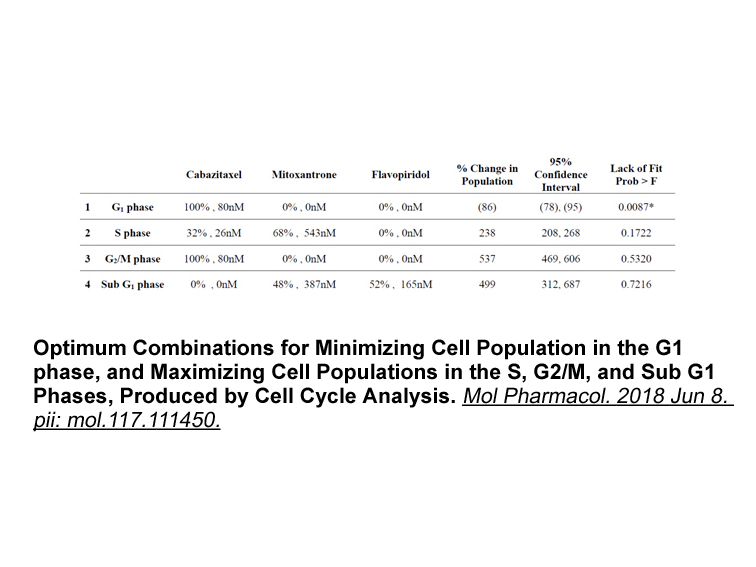
NOXA, a member of the pro-apoptotic B-cell lymphoma 2 (BCL-2) family, plays a vital role in regulating mitochondrial or inherent apoptotic pathways [7,8]. NOXA binds to MCL-1 with high affinity and interacts with A1 (known as BCL2A1), resulting in BIM release to trigger subsequent apoptosis [9]. In
-
Although TP status has been
2023-11-02
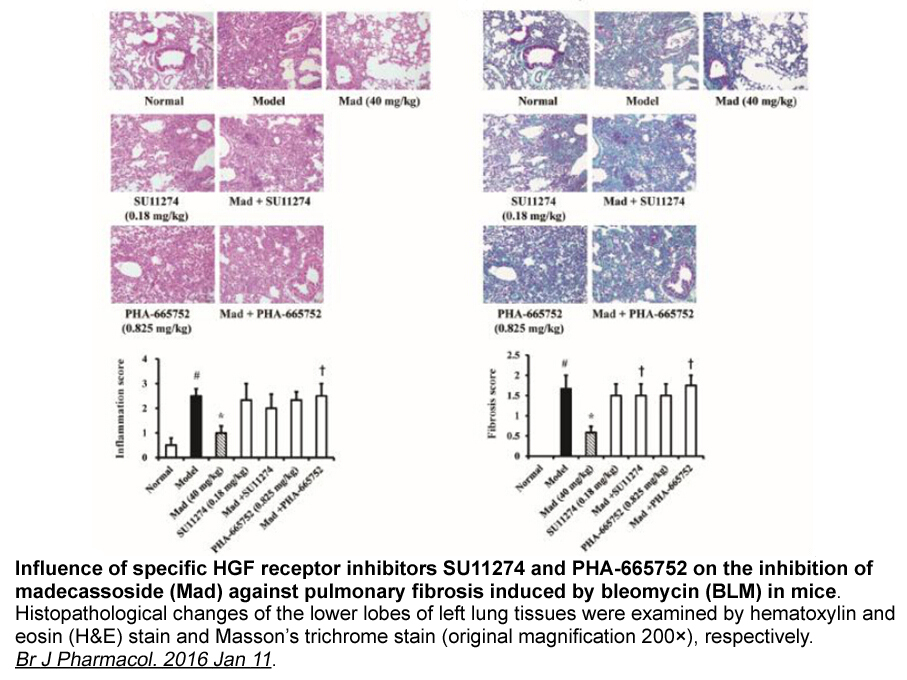
Although TP53 status has been shown to play a role in ATR inhibition and platinum resistance [7], [27], [38], in inhibition of ATM and sensitivity to IR [39], and in the activation of Chk1 and Chk2 [3], [4], ATM and ATR signaling can occur through the p38MAPK/MK2 pathway in p53-deficient Carbamazepi
-
br Results br Discussion br Conclusions
2023-11-02
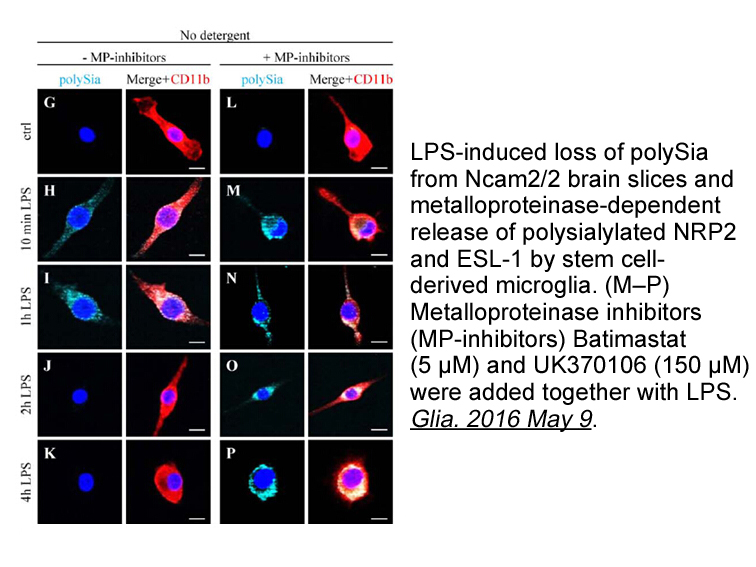
Results Discussion Conclusions In summary, this study provides novel report of pericardial adipose aromatase expression – in both human and rodent. We show that aromatase expression is remarkably upregulated with aging (Fig. 1C), and that total aromatase KPT-276 mg conversion capacity is s
-
To further investigate the role of cholesterol in
2023-11-02
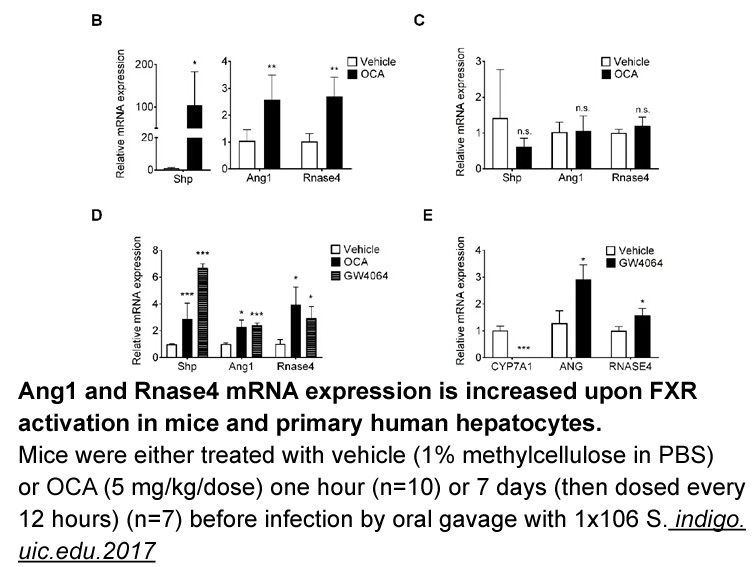
To further investigate the role of cholesterol in the Rh2-induced cytotoxicity, we then focused on the U937 cell line, which is cholesterol auxotroph and considered as a valuable model to study the importance of cholesterol in membrane structure and function (Billheimer et al., 1987), and used the e
-
br Concluding Remarks Despite major advances in the developm
2023-11-02
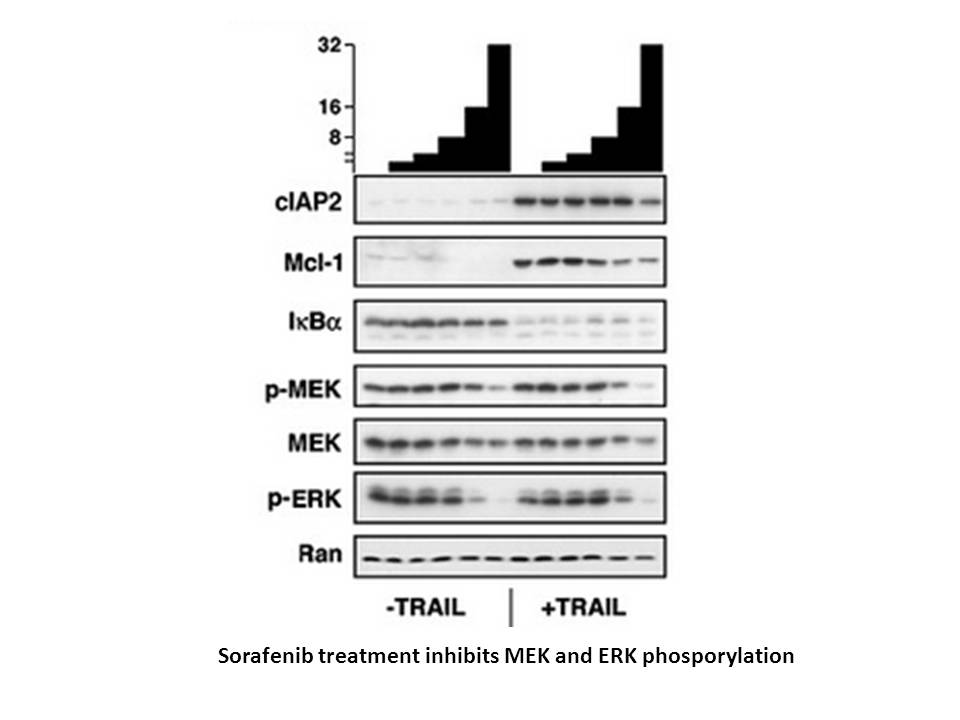
Concluding Remarks Despite major advances in the development of antibody and small-molecule tumor angiogenesis inhibitors, therapy resistance, both innate and acquired, continues to limit further survival improvements for patients with cancer. Preclinical models of localized primary tumors and me
-
Angiogenesis refers to the formation of new blood vessels
2023-11-02
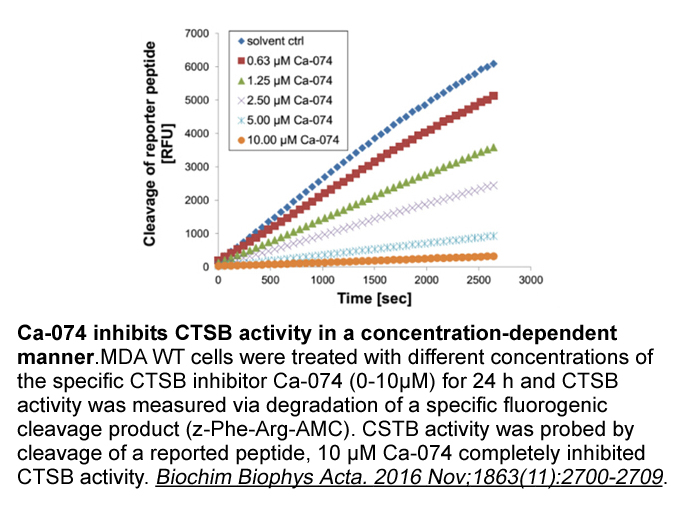
Angiogenesis refers to the formation of new blood vessels from pre-existing vasculature [1]. Physiological angiogenesis is necessary for key processes such as wound healing, tissue regeneration and repair. In pathological conditions, including cardiovascular diseases, diabetes, cancer, and other pat
-
A phase I trial has recently evaluated enzalutamide
2023-11-02
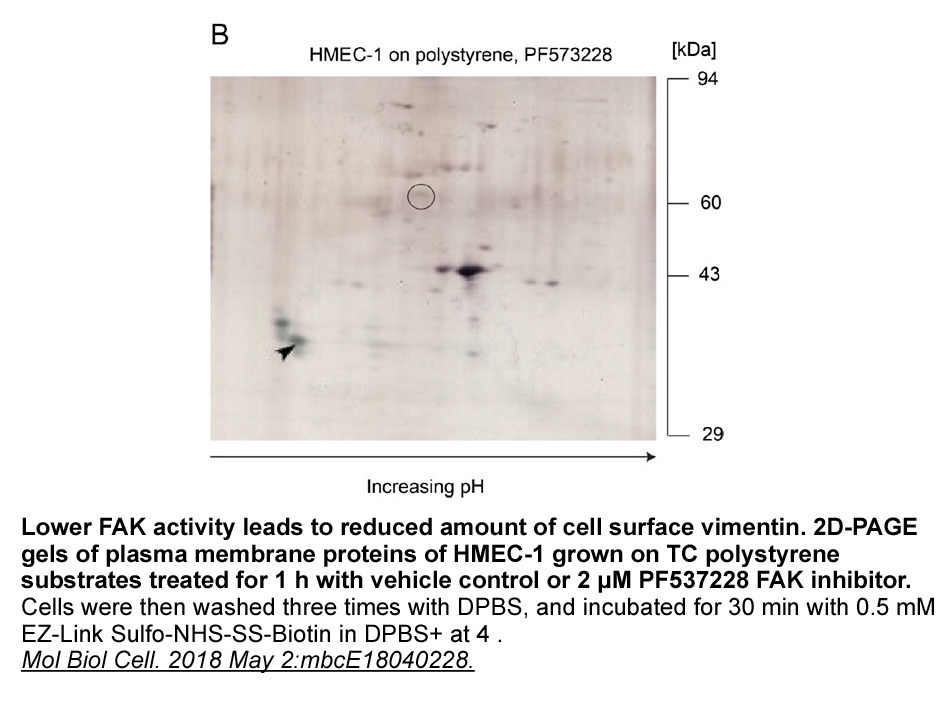
A phase I trial has recently evaluated enzalutamide, an anti-androgen agent, in patients with ER- and AR-positive advanced BC to estimate safety and tolerability of enzalutamide therapy alone or in association to anastrozole, exemestane or fulvestrant [65]. The results of major clinical trials with
-
br Discussion Hepatic dysfunction in the metabolic syndrome
2023-11-02
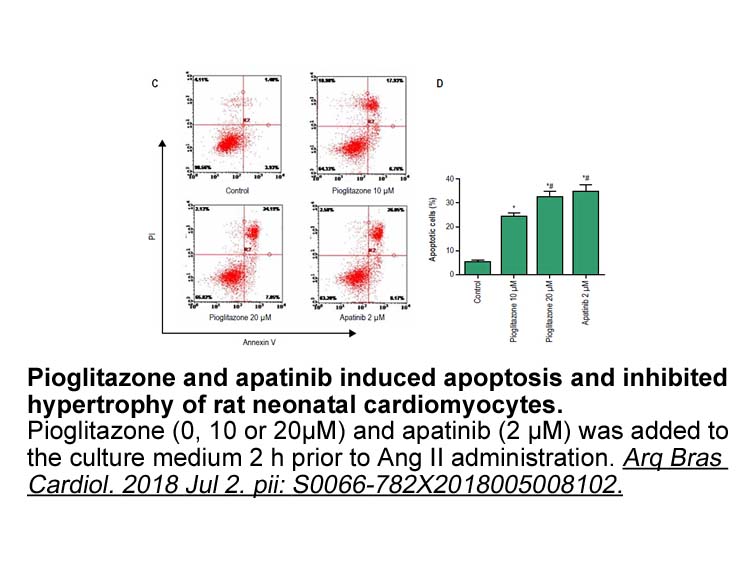
Discussion Hepatic dysfunction in the metabolic syndrome is a driver of negative patient outcomes that requires more therapeutic options. The complexity of liver alterations in this disease – elevated de novo synthesis of fatty acids and cholesterol, reduced clearance of circulating atherogenic L
-
The functional significance of the cap
2023-11-02
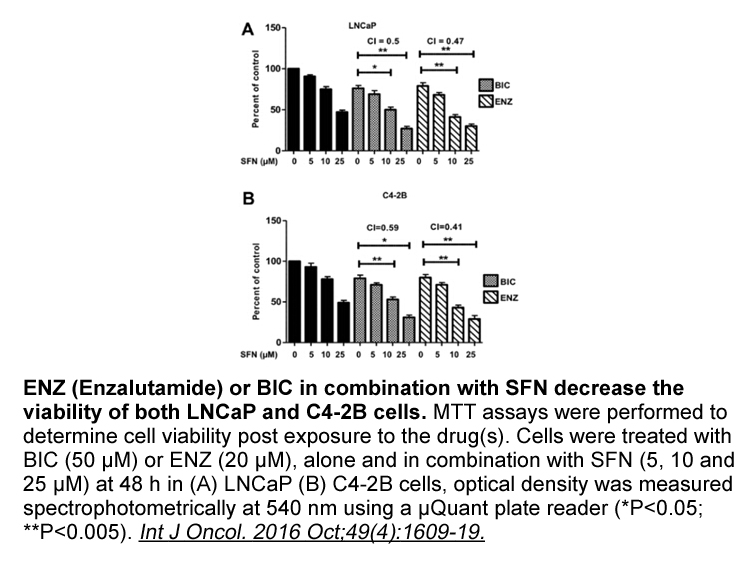
The functional significance of the cap residues with regard to the established role of PfA-M1 in hemoglobin catabolism in the food vacuole is a key question that is difficult to address with in vitro studies. We note that three of the dipeptide substrates used in our study are found in the sequences
-
Glu Gln Asp and Asn
2023-11-02
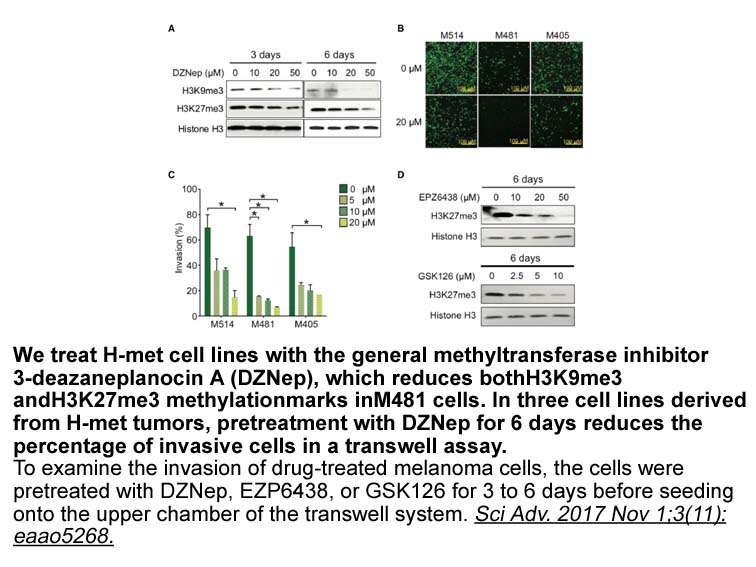
Glu, Gln, Asp, and Asn, the main Tranexamic Acid presented in the present study, are involved in nitrogen assimilation and transport processes within the plants. Furthermore, they are used to build up reserves during periods of nitrogen availability for subsequent use in growth, defense, and reprod
-
Neural progenitor cells NPCs are self
2023-11-01
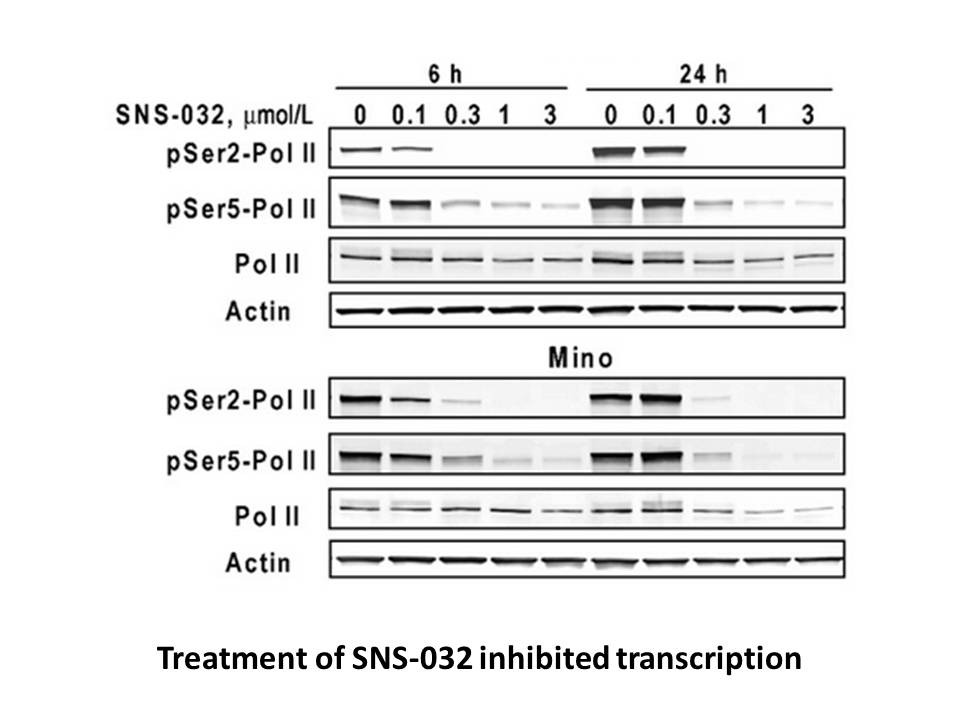
Neural progenitor cells (NPCs) are self-renewing, multipotent cells that are capable of differentiating into neurons, astrocytes and oligodendrocytes. NPCs are activated in response to a variety of pathological states in neurodegenerative diseases such as Parkinson’s disease and multiple sclerosis,
-
The biology of the A BR
2023-11-01
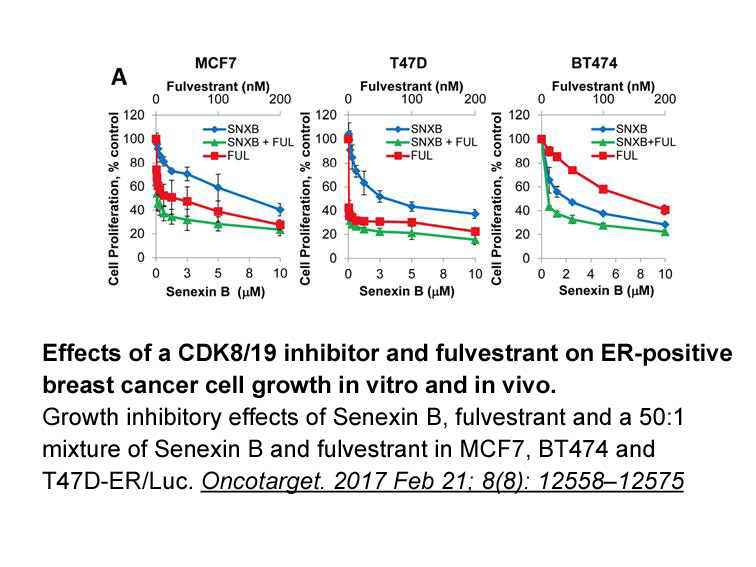
The biology of the A2BR is complex and needs to be considered contextually as the expression and effect of receptor engagement varies according to time post hypoxic injury, cell type and downstream signaling pathway. For example, A2BR expression is dynamic - low under basal and increasing under isch
-
br Experimental procedures Adk tg Adktm tg UbiAdk mice were
2023-11-01
Experimental procedures Adk-tg (Adktm1−/−:tg(UbiAdk) mice were created by breeding a loxP-flanked Adk transgene under the control of a human ubiquitin promoter into ADK knockout mice (Fedele et al., 2005,). Fb-Adk-def (Adktm1−/−:tg(UbiAdk):Emx1-Cre-tg3) mice were generated by pairing Emx1-Cre-tg3
-
Cofilin is an additional actin
2023-11-01
Cofilin is an additional agomelatine synthesis severing protein present in sperm cells that undergo phosphorylation/inactivation on serine 3 by Lim kinases (LIMK) and by Tes kinases (TESK) [48]. LIMK can be activated by several pathways, including one through the Rho/ROCK/LIMK cascade [49], [50], [
-
The geometry of two three four and
2023-11-01

The geometry of two, three, four and five Z-VAD-FMK neutral radical ACh molecule complexes with various electronic configurations, i.e. with various multiplicities equal to 1, 2 and 4 (for ACh trimer) were determined using DFT with the unrestricted B97d/SVP potential/basis set in Gaussian09 program
8111 records 282/541 page Previous Next First page 上5页 281282283284285 下5页 Last page