Archives
- 2026-10
- 2026-09
- 2026-08
- 2026-07
- 2026-06
- 2026-05
- 2026-04
- 2026-03
- 2026-02
- 2026-01
- 2025-12
- 2025-11
- 2025-10
- 2025-09
- 2025-03
- 2025-02
- 2025-01
- 2024-12
- 2024-11
- 2024-10
- 2024-09
- 2024-08
- 2024-07
- 2024-06
- 2024-05
- 2024-04
- 2024-03
- 2024-02
- 2024-01
- 2023-12
- 2023-11
- 2023-10
- 2023-09
- 2023-08
- 2023-07
- 2023-06
- 2023-05
- 2023-04
- 2023-03
- 2023-02
- 2023-01
- 2022-12
- 2022-11
- 2022-10
- 2022-09
- 2022-08
- 2022-07
- 2022-06
- 2022-05
- 2022-04
- 2022-03
- 2022-02
- 2022-01
-
Atypically BcALDH has a minor reducing activity for
2022-10-31
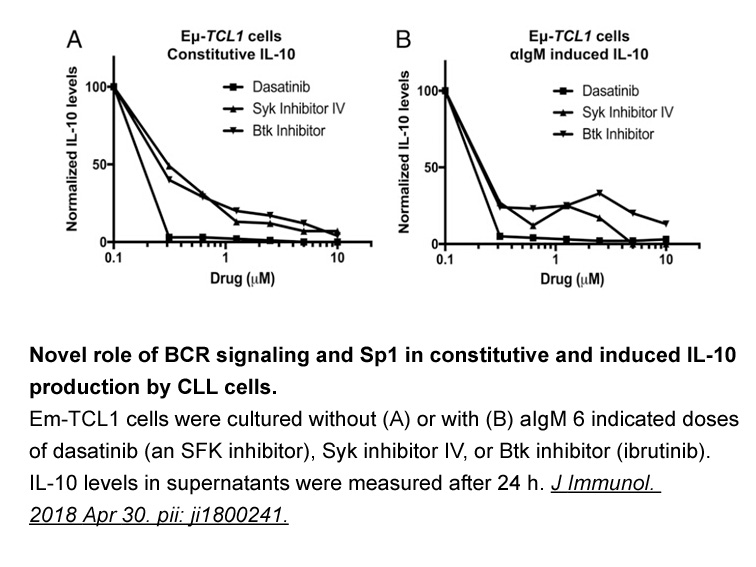
Atypically, BcALDH has a minor reducing activity for all-trans-retinal, which requires the binding of the reduced form of the NADP+ (NADPH) cofactor that is a side-product of the canonical oxidation activity of BcALDH. The reduction activity that converts all-trans-retinal to all-trans-retinol was r
-
In the current study we showed
2022-10-31
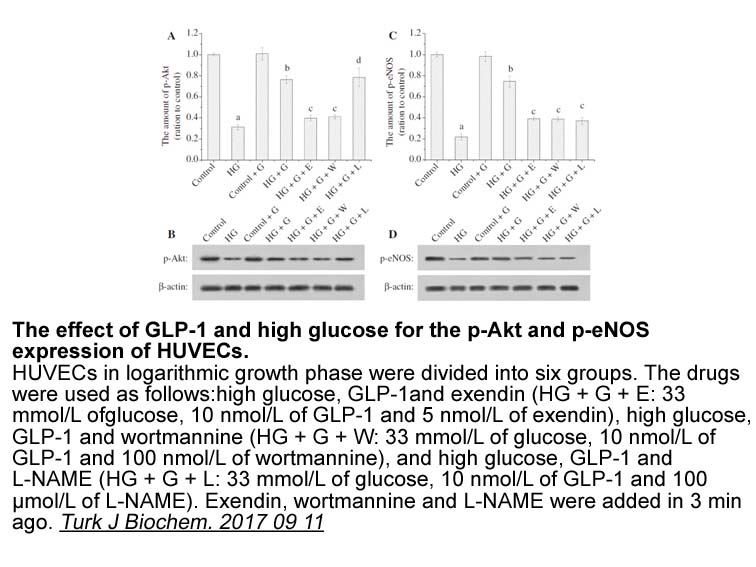
In the current study, we showed that known inhibitors of the F-ATPase and ionophores affect the growth of P. gingivalis and its plasma membrane ATPase, suggesting that the membrane ATPase can be a target for anti-periodontitis agents. We also identified stilbenoids that strongly inhibit the growth o
-
Several structural classes of ASK inhibitors mostly
2022-10-31
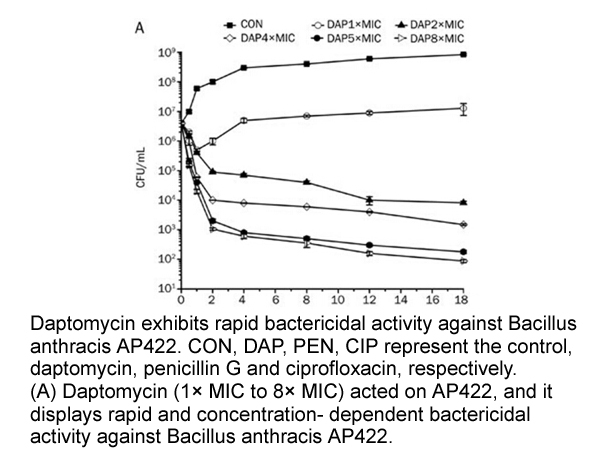
Several structural CGS 35066 of ASK1 inhibitors, mostly from industry but also from academia, have been identified over the last decade. In 2012, Terao et al. (Takeda) reported imidazo[1,2-α]pyridine () as a potent ASK1 inhibitor derived from structure-based drug design. GSK, Merck and Gilead reve
-
The functions of HMGN protein
2022-10-31
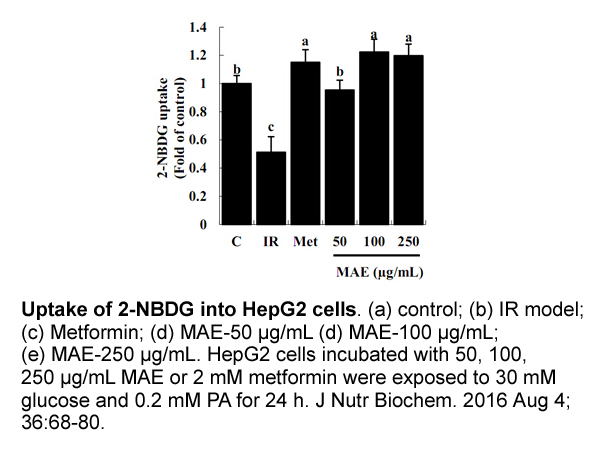
The functions of HMGN1 protein are modulated by various post-translational modifications, including phosphorylation , , , acetylation , and glycosylation . Phosphorylation in HMGN1 may influence its binding affinity to DNA or nucleosome-associated proteins and affect the sub-cellular localization an
-
Various antiangiogenic drugs have been
2022-10-31
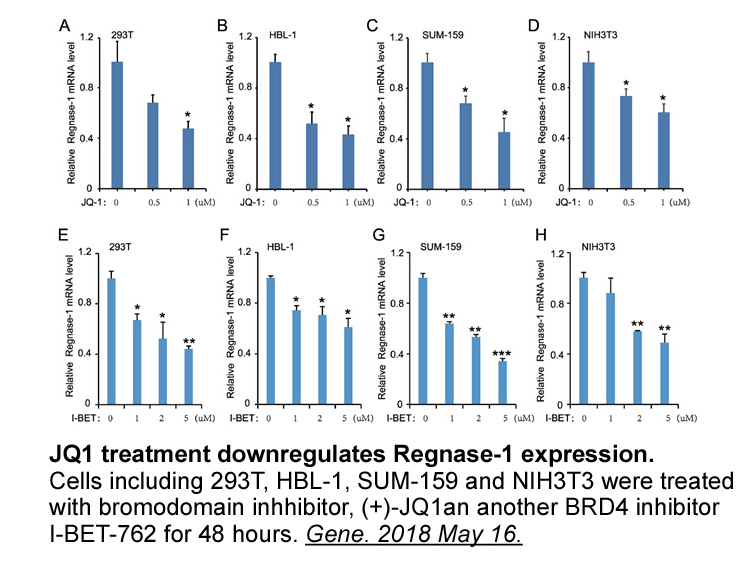
Various antiangiogenic drugs have been analyzed over the last few years; noteworthy, bevacizumab, a monoclonal antibody against VEGF-A, alone or in combination with cytotoxic agents showed interesting results in terms of radiographic response rates and progression-free survival in initial phase 2 st
-
Overexpression of AR in a transgenic mouse
2022-10-27

Overexpression of AR in a transgenic mouse model leads to a capsular cataract phenotype involving proliferation and formation of a fibrotic plaque of cells reminiscent of cells at the posterior NNC 55-0396 in PCO [17]. To investigate the molecular mechanism that could link AR expression to this phe
-
Numerous studies have reported high glutamate levels in the
2022-10-27
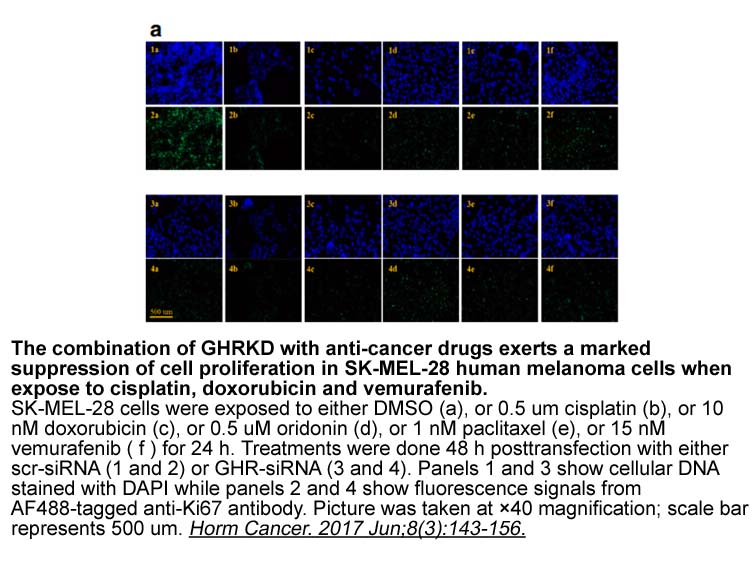
Numerous studies have reported high glutamate levels in the brains of patients with depression, indicating that the glutamate system plays a crucial role in depression (Sanacora et al., 2004; Kendell et al., 2005; Hashimoto et al., 2007). Furthermore, several clinically effective antidepressant drug
-
br Expression of ADK in the normal brain
2022-10-27

Expression of ADK in the normal brain In adult brain, ADK is primarily expressed in astrocytes. Immunocytochemical analysis of adult rat and mouse Marizomib revealed predominant astrocytic expression throughout the hippocampus and cortex. Two isoforms of ADK have been identified in mammals, a lo
-
On the basis of the above information we
2022-10-27
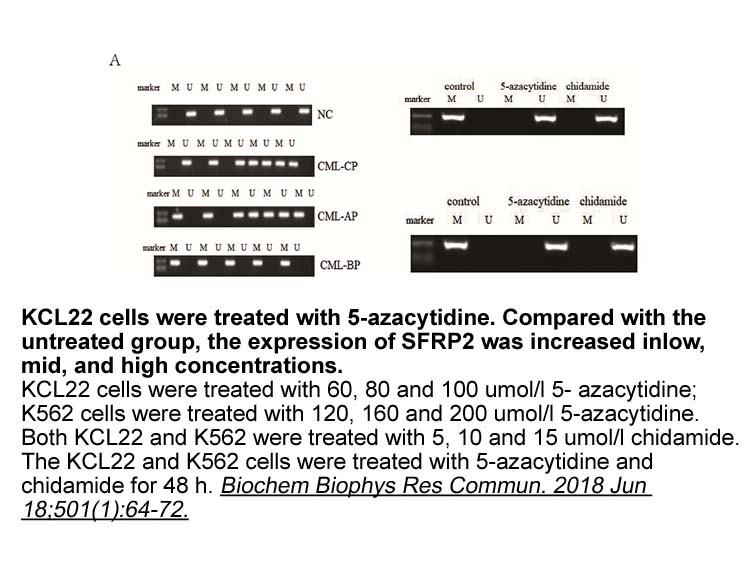
On the basis of the above information, we designed a new series of benzothiazole–piperazine derivatives (–) that have the aforementioned structural requirements (). Benzothiazole is an important ring system in the drug discovery studies of AD. There are several benzothiazole compounds that show pote
-
br COX and LOX in post mortem
2022-10-27
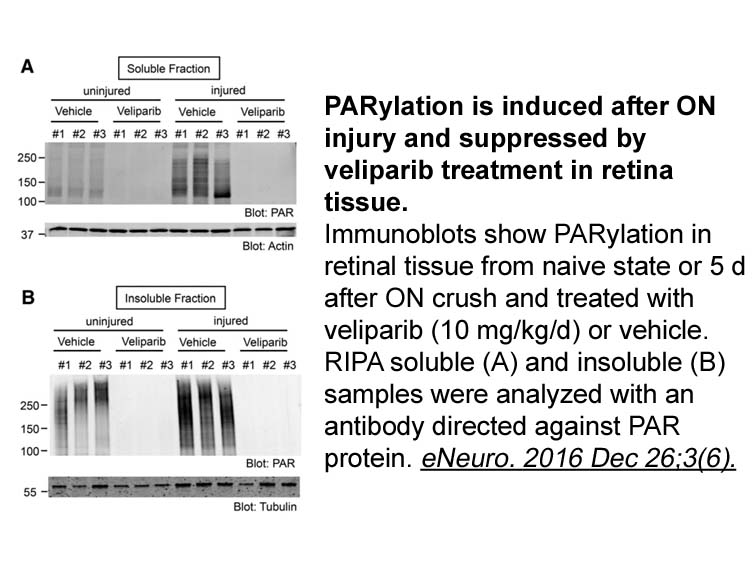
COX and 5-LOX in post-mortem AD brain Minghetti (2004) reviewed the findings on COX-2 mRNA levels in AD brains, pointing out that the available evidence demonstrated either decreased or increased levels, possibly because of the short half-life of COX-2 transcripts or individual variability. Histo
-
br Conflict of interest statement br
2022-10-27
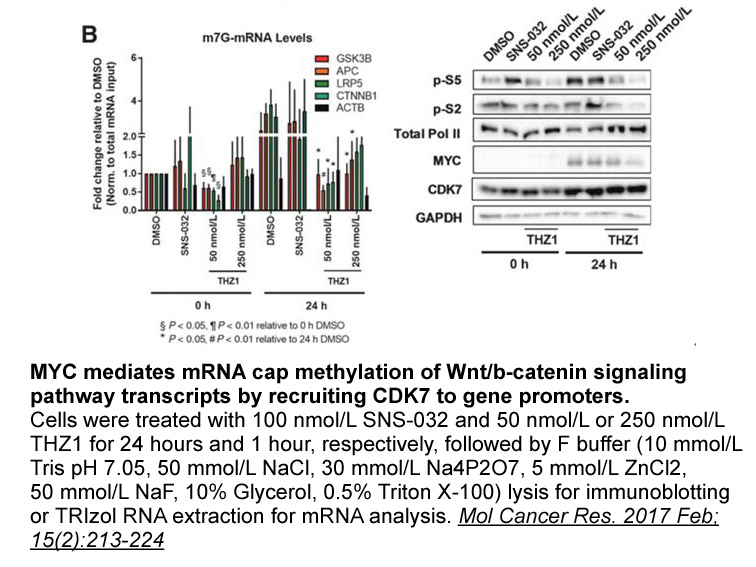
Conflict of interest statement Benign prostatic hyperplasia (BPH) is a highly complex process characterized by an increased number of epithelial and stromal 7026 in the transition zone. , , Autopsy studies by McNeal detail the evolution of histological changes within these 2 cellular compartmen
-
During preparation of this manuscript some studies investiga
2022-10-27
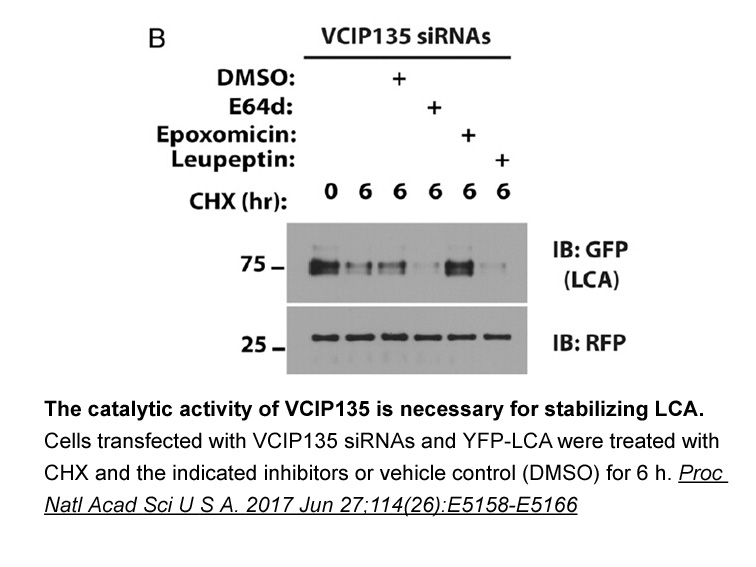
During preparation of this manuscript, some studies investigating effects of Sunitinib on Axl activity in renal cancer have been published [44], [45], [46], [47]. However, there are several important considerations to take into account interpreting results of these studies. First, Sunitinib doses th
-
3845 br Diabetes and obesity fit or fat sugar or not
2022-10-27
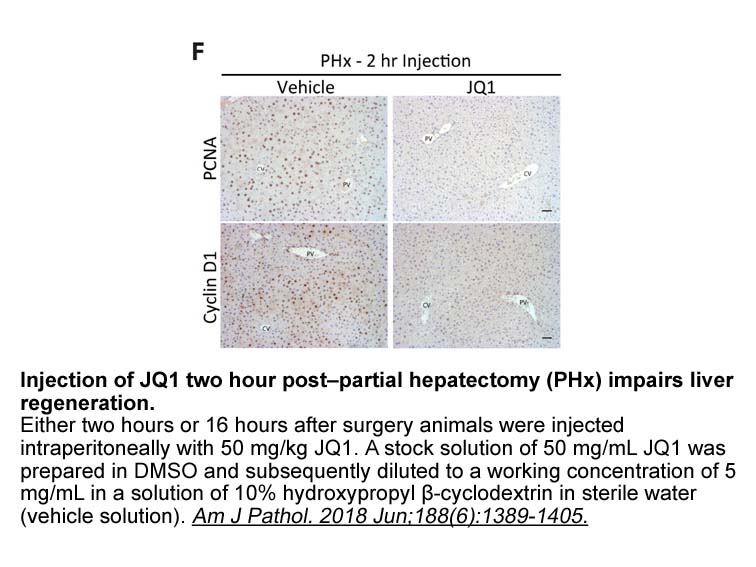
Diabetes and obesity: fit or fat; sugar or not: the autophagic verdict Type 2 diabetes and obesity are among the most emerging health problems worldwide. The factors that are responsible for the establishment of diabetes include decreased 3845 production, rise in adiposity, and an increase in in
-
IGF is an anabolic growth factor that induces hypertrophy
2022-10-27
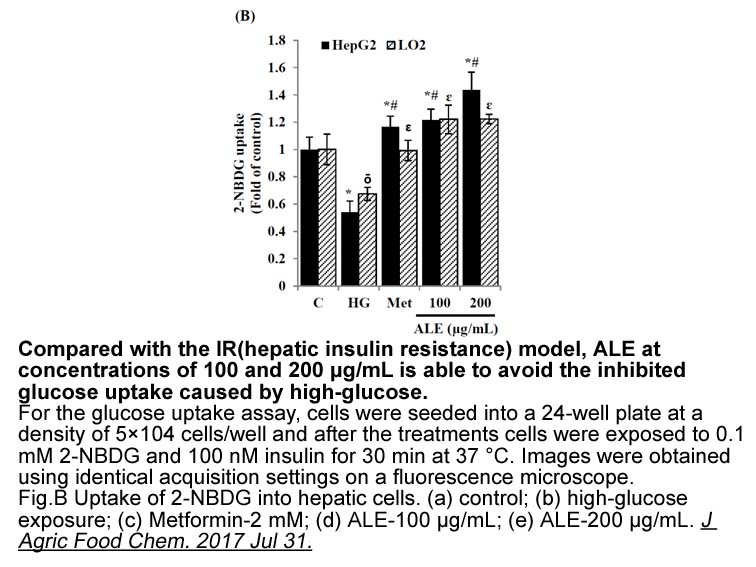
IGF1 is an anabolic growth factor that induces hypertrophy and blocks atrophy in skeletal muscle by activating the PI3K/AKT/mTOR pathway (Egerman and Glass, 2014). In addition to its anabolic and anti-catabolic effects, IGF1 stimulates fatty caspofungin (FA) uptake and glucose metabolism (Clemmons,
-
Introduction Lipoxygenases LOXs are key enzymes that catalyz
2022-10-27
Introduction Lipoxygenases (LOXs) are key enzymes that catalyze the polyunsaturated fatty acids (PUFAs) such as arachidic LY83583 mg (AA), linoleic acid (LA) and others unsaturated fatty acids (Brash, 1999). LOXs are expressed in immune, neural, epithelial, tumor cells and other cells (Claesson, 2
8112 records 384/541 page Previous Next First page 上5页 381382383384385 下5页 Last page