Archives
- 2026-10
- 2026-09
- 2026-08
- 2026-07
- 2026-06
- 2026-05
- 2026-04
- 2026-03
- 2026-02
- 2026-01
- 2025-12
- 2025-11
- 2025-10
- 2025-09
- 2025-03
- 2025-02
- 2025-01
- 2024-12
- 2024-11
- 2024-10
- 2024-09
- 2024-08
- 2024-07
- 2024-06
- 2024-05
- 2024-04
- 2024-03
- 2024-02
- 2024-01
- 2023-12
- 2023-11
- 2023-10
- 2023-09
- 2023-08
- 2023-07
- 2023-06
- 2023-05
- 2023-04
- 2023-03
- 2023-02
- 2023-01
- 2022-12
- 2022-11
- 2022-10
- 2022-09
- 2022-08
- 2022-07
- 2022-06
- 2022-05
- 2022-04
- 2022-03
- 2022-02
- 2022-01
-
br Free entry equilibrium At stage
2025-03-03

Free entry equilibrium At stage 2 of the game, n ≥ 2 firms simultaneously decide whether or not to enter the industry. Market entry involves a sunk fixed cost f > 0, which we assume cannot be subtracted from the tax base. Our assumption reflects that deductions of market entry costs are often inc
-
br Dihydrotestosterone in adult fish and
2025-03-03
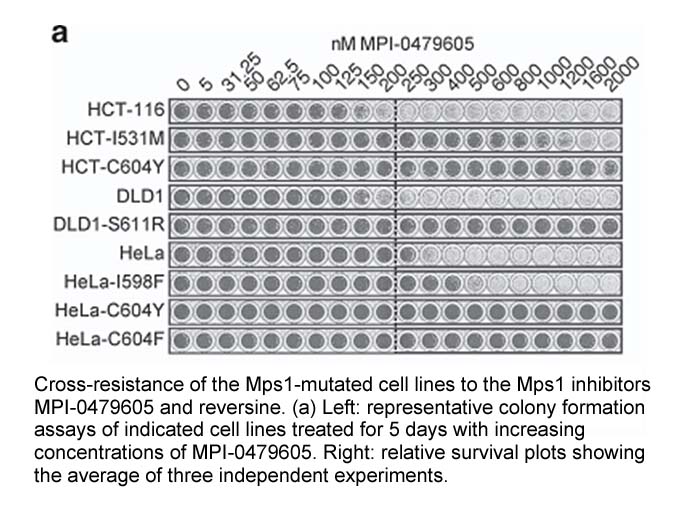
Dihydrotestosterone in adult fish and frogs New perspectives and next directions Similar to other androgens, DHT can modulate reproductive endpoints in both fish and amphibians. However, predicting the effects of DHT can be challenging, as reproductive homeostasis is dependent upon the balance
-
br Introduction Nausea and vomiting are
2025-03-03
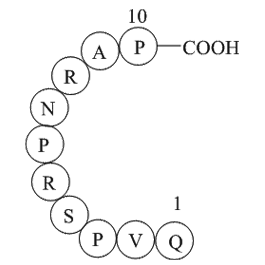
Introduction Nausea and vomiting are among the most distressing side effects associated with chemotherapy in cancer patients (Billio et al., 2010). Severe emesis can negatively affect a patient's nutritional state, ability to work and motivation, which can, in turn, interfere with the clinical co
-
Several mechanisms have been suggested
2025-03-01
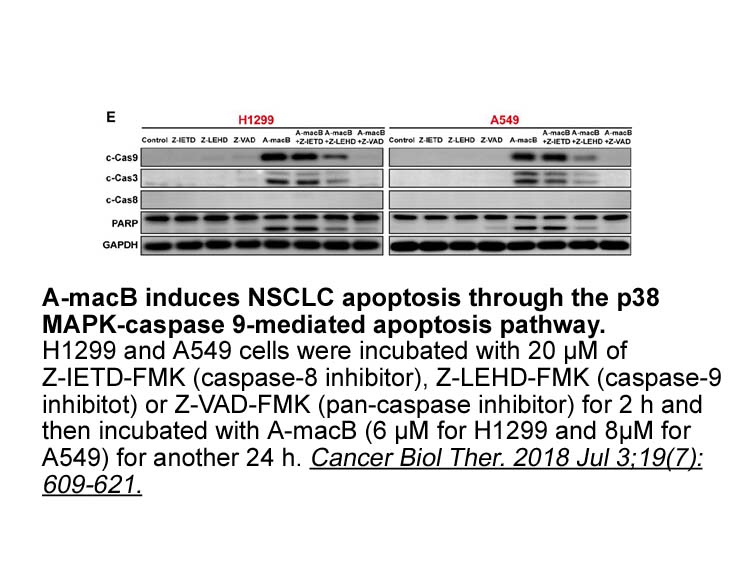
Several mechanisms have been suggested to account for the causal association of ICAM-1 induction and leukocyte adhesion with DR, including oxidative stress [16], NF-κB [17], PKC [18], and bioactive lipids [19]. Our previous studies highlighted the role of bioactive lipid metabolites derived from 12/
-
protease activated receptor Introduction Lipoxygenases LOXs
2025-03-01
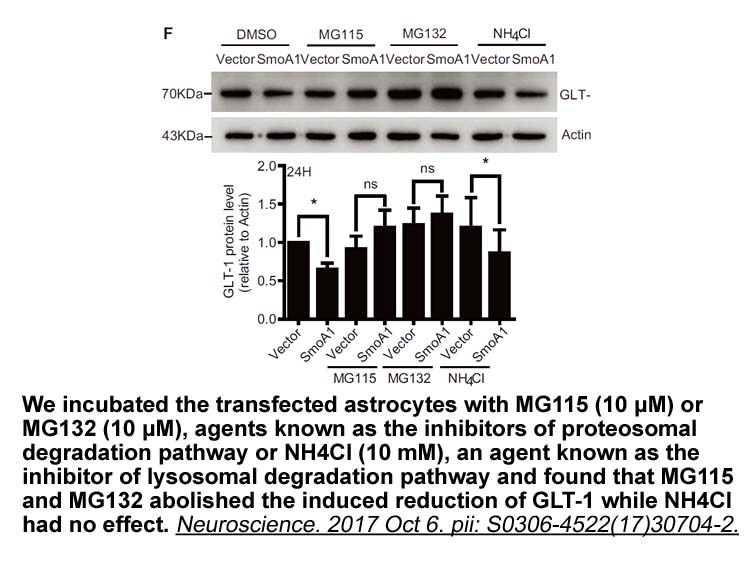
Introduction Lipoxygenases (LOXs) are key enzymes that catalyze the polyunsaturated fatty acids (PUFAs) such as arachidic protease activated receptor (AA), linoleic acid (LA) and others unsaturated fatty acids (Brash, 1999). LOXs are expressed in immune, neural, epithelial, tumor cells and other c
-
As aforementioned this study aimed to design synthesize and
2025-03-01

As aforementioned, this study aimed to design, synthesize and investigate aromatase inhibitory and anti-breast cancer activities of N,N′-disubstituted thiourea derivatives. Based on the attractive phenotypic molecule 1, the synthetic N,N′-disubstituted thioureas have been designed including monothio
-
The R pycnus arginase was identical
2025-03-01
The R. pycnus arginase was 65% identical to the published B. caldovelox arginase sequence (AAB06939). Furthermore, the R. pycnus arginase gene was 62%, 45%, 36% and 22% identical to the published arginase sequences from Bacillus thuringiensis (AJI37018), Thermus thermophiles (WP_038039155), Human ar
-
br Concluding Remarks and Future Perspectives Fluorescent an
2025-03-01
Concluding Remarks and Future Perspectives Fluorescent IWP-2 have helped researchers to elucidate antibiotic MOA and off-target interactions, to screen for new antibiotics, to detect antibiotics in the environment, to track antibiotic uptake throughout cells and organisms, and to detect bacteria
-
PGC mediated mitochondrial biogenesis in brown fat
2025-03-01
PGC-1α-mediated mitochondrial biogenesis in brown fat and endothelial CH5138303 is in part regulated by eNOS and NO [28], [29]. Recent studies indicate that H2S not only augments NO bioavailability and signaling [11], [17], but provides protection against cardiac injury in an eNOS-dependent manner
-
Mass spectrometry MS analysis and selective enrichment
2025-03-01
Mass spectrometry (MS) analysis and selective enrichment methods of phosphorylated proteins are powerful tools that can help address these challenges. Recent advances in MS have made it possible to analyze signaling pathways by facilitating high-throughput identification of phosphorylation sites wit
-
Plerixafor We have previously shown that the antinociceptiv
2025-03-01
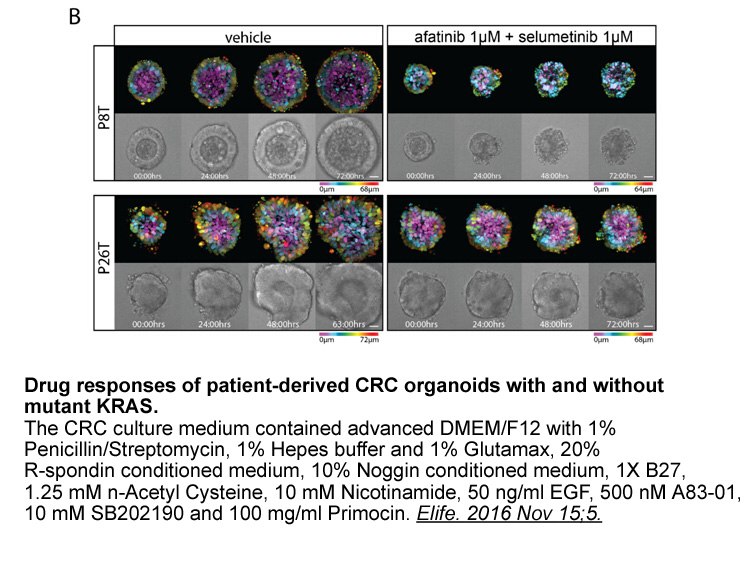
We have previously shown that the antinociceptive effect of tramadol, an analgesic that, like paracetamol is able to increase serotonin levels within CNS, is potentiated or antagonized respectively by a 5-HT1A/B nonspecific Plerixafor blockade or activation (Rojas-Corrales et al., 2000). Moreover,
-
The results also showed that the A receptor http www
2025-03-01
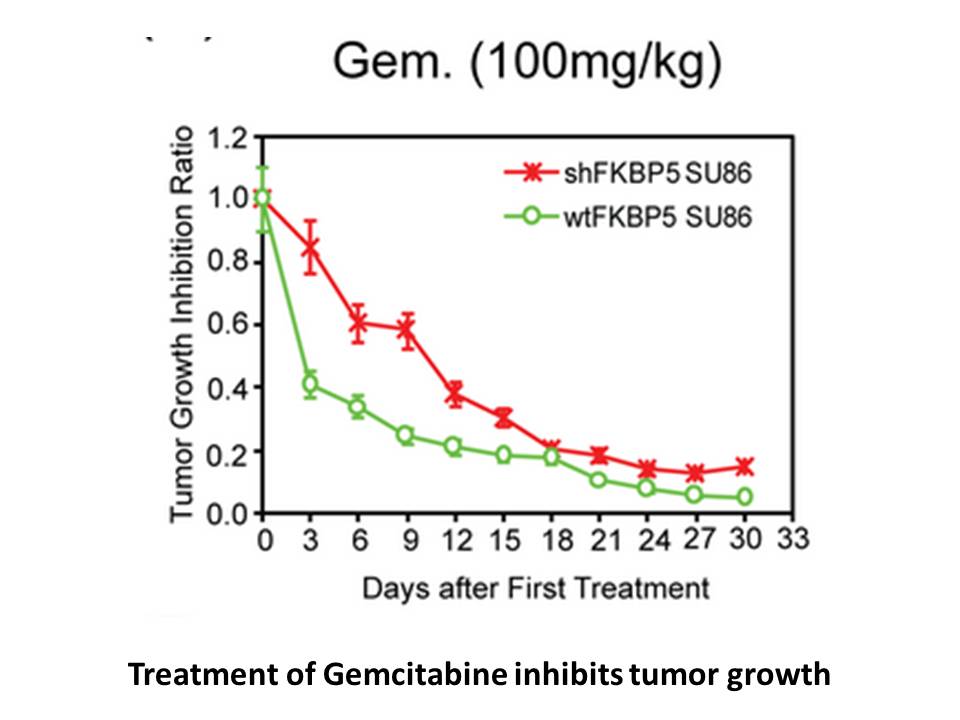
The results also showed that the A3 receptor agonist increased the phosphorylated levels of Akt, leading to activation of the PI3K/Akt pathway. A3 z vad fmk stimulation has protective effects against RGC death following ischemia-reperfusion, glutamate toxicity, and optic nerve transection models (G
-
Adenosine receptors are proposed to play
2025-03-01
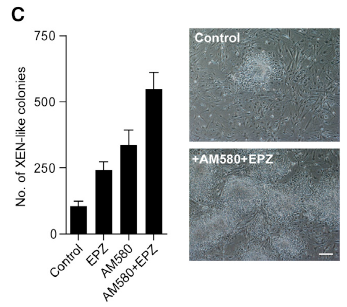
Adenosine receptors are proposed to play proangiogenic role in vascular and immune Fluconazole within microenvironment of hypoxic tissues to maintain tissue oxygenation in chronic ischemic condition [9]. Adenosine also stimulates the production of angiopoetin-1, VEGF and Interleukin-6 (IL6) via ade
-
br Introduction Adenosine deaminase ADA
2025-03-01
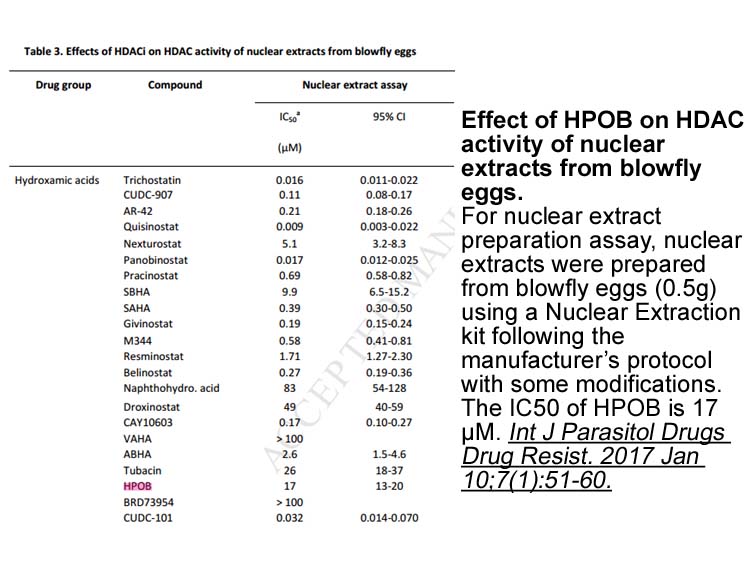
Introduction Adenosine deaminase (ADA), also known as adenosine aminohydrolase, is a key enzyme involved in the purine metabolism that converts adenosine to inosine irreversibly (Lupidi et al., 1997). It is a zinc containing metalloenzyme present in both prokaryotes and eukaryotes. In humans ADA
-
Acknowledgments br P c is expressed in several
2025-02-28
Acknowledgments P450c17 is expressed in several steroidogenic tissues, including the adrenal cortex, the ovary, and the testes (). Thus, 17α-hydroxylase/17,20-lyase is a key enzyme required for the production of both cortisol and sex steroids. This enzyme defect blocks the synthesis of cortisol,
8112 records 39/541 page Previous Next First page 上5页 3637383940 下5页 Last page