Archives
- 2026-03
- 2026-02
- 2026-01
- 2025-12
- 2025-11
- 2025-10
- 2025-09
- 2025-03
- 2025-02
- 2025-01
- 2024-12
- 2024-11
- 2024-10
- 2024-09
- 2024-08
- 2024-07
- 2024-06
- 2024-05
- 2024-04
- 2024-03
- 2024-02
- 2024-01
- 2023-12
- 2023-11
- 2023-10
- 2023-09
- 2023-08
- 2023-07
- 2023-06
- 2023-05
- 2023-04
- 2023-03
- 2023-02
- 2023-01
- 2022-12
- 2022-11
- 2022-10
- 2022-09
- 2022-08
- 2022-07
- 2022-06
- 2022-05
- 2022-04
- 2022-03
- 2022-02
- 2022-01
- 2021-12
- 2021-11
- 2021-10
- 2021-09
- 2021-08
- 2021-07
- 2021-06
- 2021-05
- 2021-04
- 2021-03
- 2021-02
- 2021-01
- 2020-12
- 2020-11
- 2020-10
- 2020-09
- 2020-08
- 2020-07
- 2020-06
- 2020-05
- 2020-04
- 2020-03
- 2020-02
- 2020-01
- 2019-12
- 2019-11
- 2019-10
- 2019-09
- 2019-08
- 2019-07
- 2019-06
- 2019-05
- 2019-04
- 2018-11
- 2018-10
- 2018-07
-
The underlying assumption of consolidation
2021-05-06
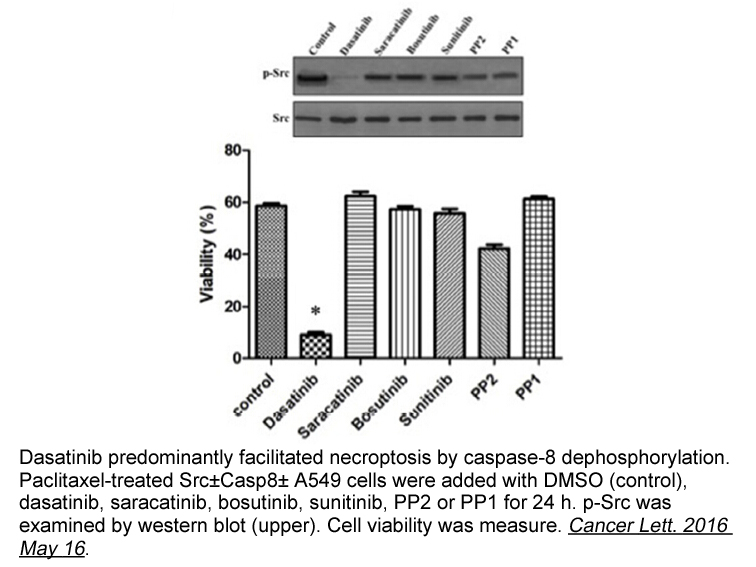
The underlying assumption of consolidation/re-consolidation is that the focal adhesion kinase activity initiated during the acquisition trial/re-consolidation trial continues to persist briefly after completion of the trial and it is during this post-trial period that immediate post-trial treatment
-
br O GlcNAcase Human OGA is a multidomain
2021-05-06
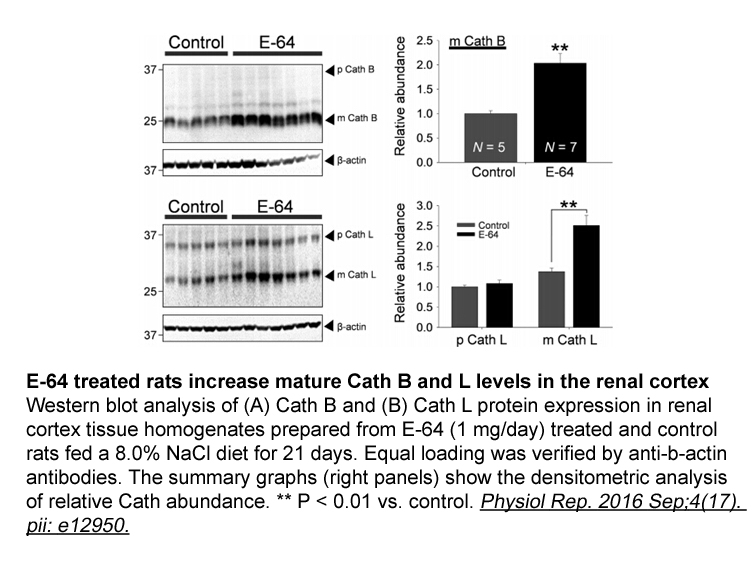
O-GlcNAcase Human OGA is a multidomain protein with an N-terminal domain similar to glycoside hydrolase family 84 (GH84) enzymes, a stalk domain, a C-terminal pseudo histone acetyltransferase (HAT) domain, and several low-complexity regions (Figure 1f) [43]. A splice variant that lacks the HAT do
-
The ubiquitin like modifier NEDD NEURAL PRECURSOR CELL EXPRE
2021-05-06
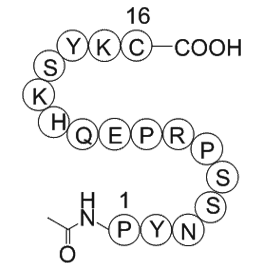
The ubiquitin-like modifier NEDD8 (NEURAL PRECURSOR CELL EXPRESSED, DEVELOPMENTALLY DOWN-REGULATED 8) uses similar enzymatic machineries for NEDD8 conjugation as ubiquitin (Figure 1) [11, 12, 13, 14]. In plants as well as in other eukaryotes, the number of E3 ligases for NEDD8 and the number of know
-
The photocleaving properties of were
2021-05-06
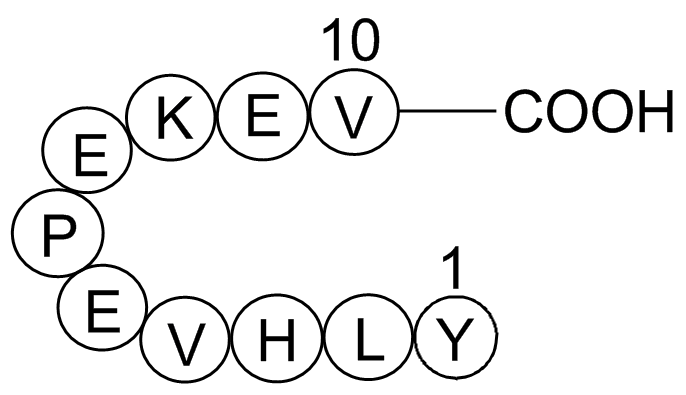
The photocleaving properties of 1 were studied by performing ΦX174 photocleavage assays. Light irradiation of the mixtures of increasing amounts of 1 with supercoiled DNA caused>90% supercoiled form relaxation and approximately 5% of linearization for the higher concentrations of 1 (1:10bp and 1:2bp
-
ABH expression is elevated in prostate carcinomas and has
2021-05-06
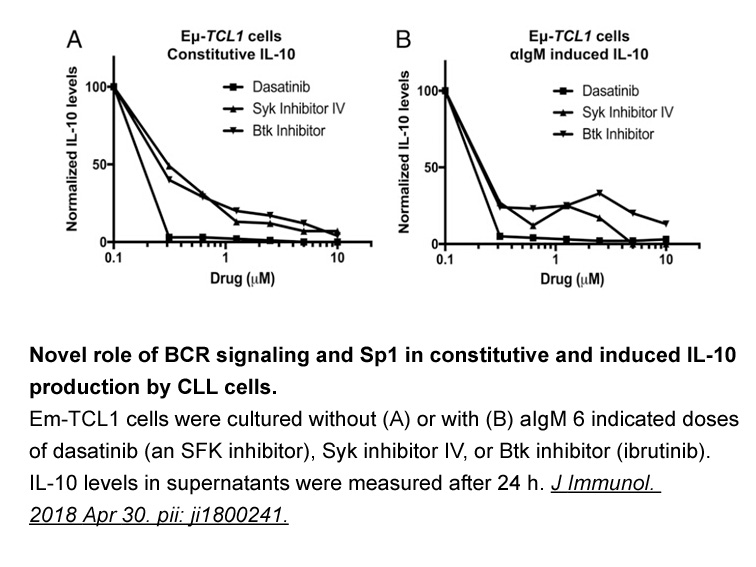
ABH3 expression is elevated in prostate carcinomas and has been referred to as prostate cancer antigen-1 or PCA-1. ABH3/PCA-1 was proposed as a diagnostic marker for prostate cancers, and suggested as a possible therapeutic target [82]. However, the recent studies of ABH2 and ABH3-null mice indicate
-
Here we were able to
2021-05-05
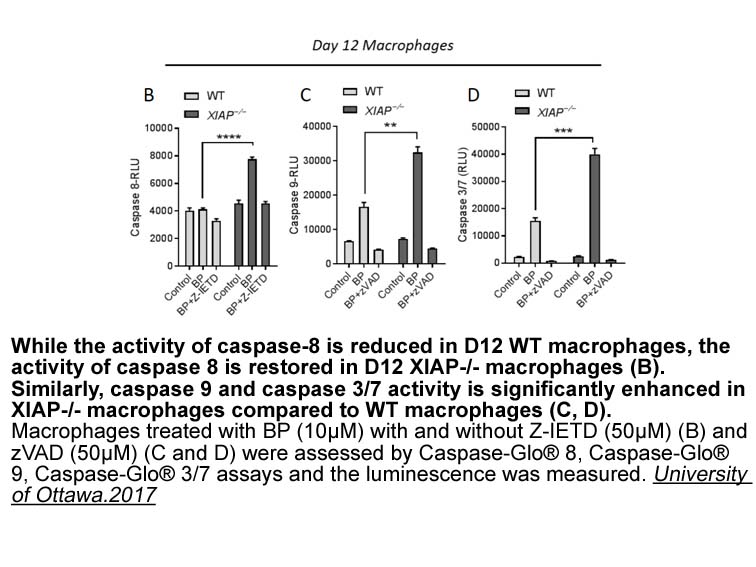
Here, we were able to show for the first time that stimulation of VSMCs with two different growth factors resulted in a dramatic decrease in gp130mRNA expression occurring four to six hours after stimulation with Ang II and PDGF-BB. The mRNA level remained extremely low within 12 hours after stimula
-
Various domains of the HSA molecule have also been used
2021-05-05
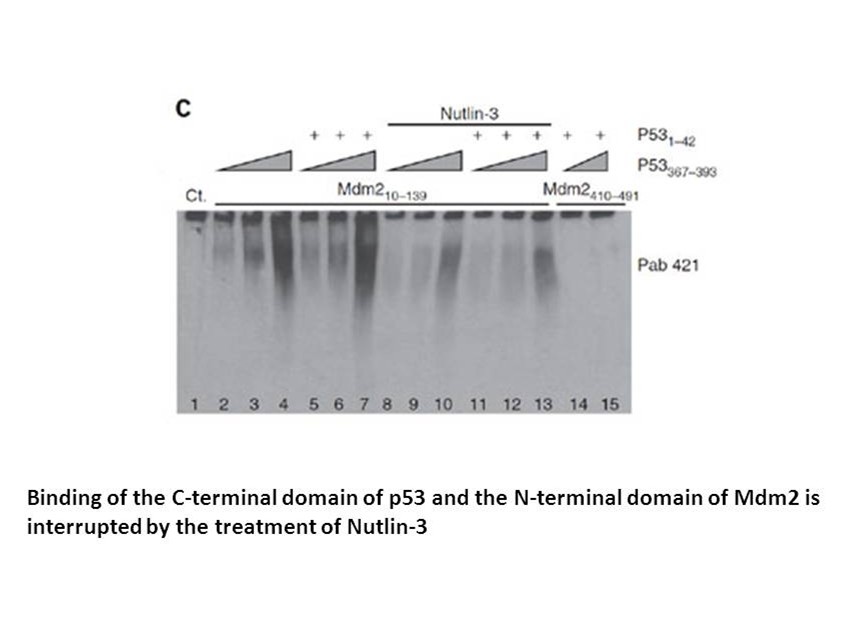
Various domains of the HSA molecule have also been used to make bioconjugates with increased stability, better targeting properties, and/or extended half-lives in blood. For example, domain I of HSA has been used in the preparation of antibody conjugates. This was achieved through the use of a cyclo
-
br Genomic and non genomic signaling crosstalk As exemplifie
2021-05-05
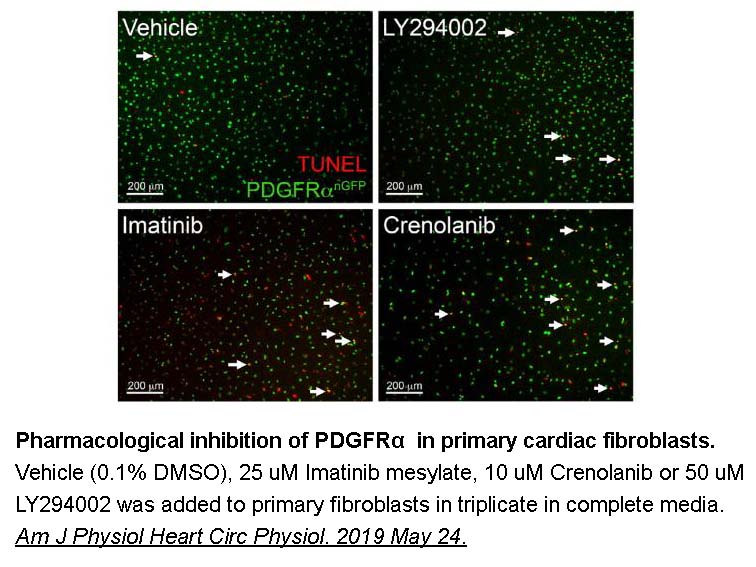
Genomic and non-genomic signaling crosstalk As exemplified in the previous sections, it is evident that the mechanisms of action of estrogen in the various cell targets represent a combination of complex multifactorial processes. Besides the independent genomic and non-genomic pathways described
-
br Materials and methods br
2021-05-05

Materials and methods Results Discussion It has been demonstrated that up-regulation of EPHB4 impaired trophoblast migration and invasion during placentation, which may contribute to the pathogenesis of preeclampsia [11], [24]. However, the upstream regulating mechanism of EPHB4 expression
-
In the previous study glutamyl endopeptidase of B intermediu
2021-05-05
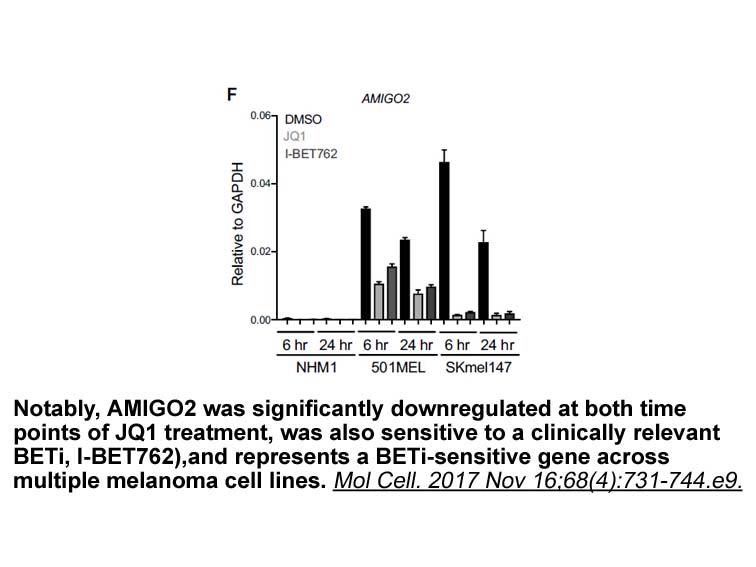
In the previous study glutamyl endopeptidase of B. intermedius has been reported to be distributed in the hygromycin b of B. intermedius as follows: 90% of synthesized enzyme has been detected in the culture liquid, 9.3% of glutamyl endopeptidase—in the fraction of membrane proteins [20]. The distri
-
In conclusion we provide convincing
2021-05-05
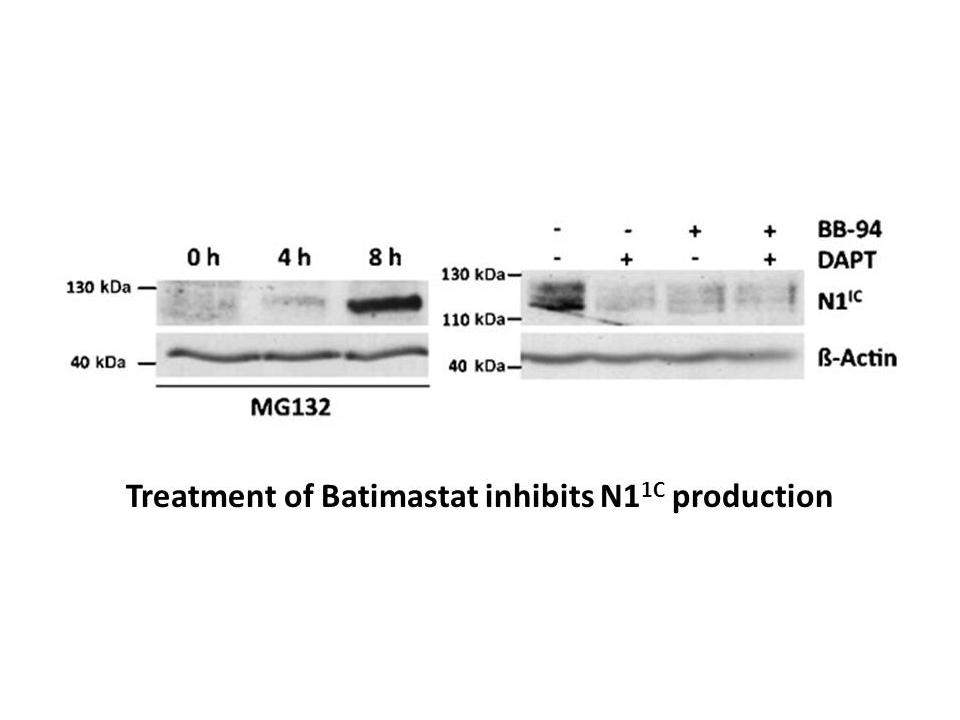
In conclusion, we provide convincing evidence that the PRRSV-induced SGs are indeed bona fide SGs. While we determined that mRNA is present in the PRRSV-induced SGs, we did not distinguish its origin. Future studies will need to determine whether the mRNA stored in PRRSV-induced SGs is of cellular o
-
br STAR Methods br Microenvironmental niches for
2021-05-05
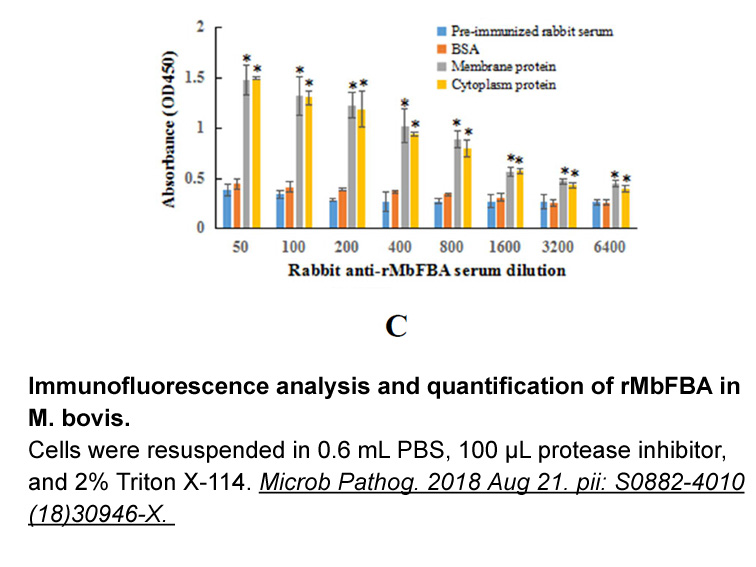
STAR★Methods Microenvironmental niches for naïve and activated B cells Secondary lymphoid organs, such as the spleen and lymph nodes, are structurally and functionally compartmentalized to provide a set of microenvironmental niches that support the survival of resting B cells, as well as the a
-
In mice our EBI EGFP reporter showed that EBI
2021-05-05
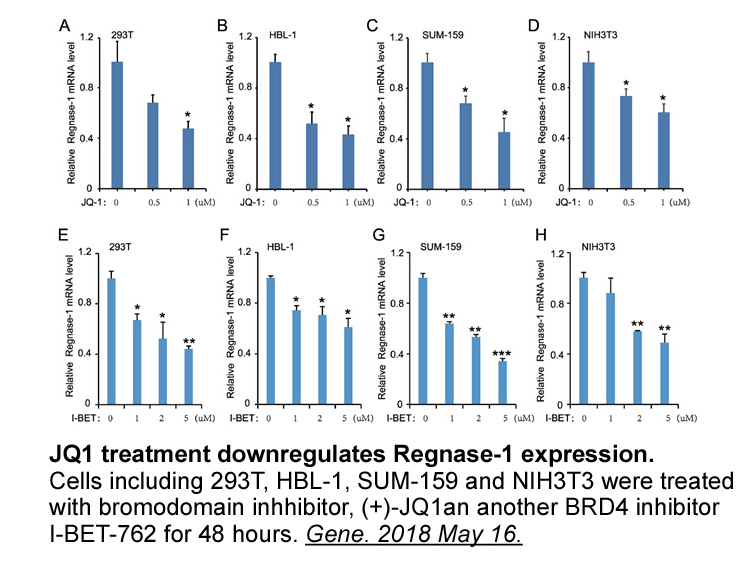
In mice, our EBI2EGFP reporter showed that EBI2 is expressed consistently in naive T helper cells. Already single positive CD4+ thymocytes express EBI2 (not shown). In effector and regulatory T cells in naive mice, the percentage of EBI2 expression was lower (∼40%). Like others (Liu et al., 2011), w
-
br Materials and Methods br Acknowledgements
2021-05-05

Materials and Methods Acknowledgements Authors would like to thank Mr. Pritam Naskar and Mr. Dibya Mukherjee for their help. Authors also acknowledge the help of Mr. Barun Mahata and Dr. Kaushik Biswas, Division of Molecular Medicine, Bose Institute, for human cDNA samples. P.A.B. and A.B.D. w
-
Other factors also contribute to replication fork progressio
2021-05-05

Other factors also contribute to replication fork progression in DNA damage conditions. For instance, the cullin Rtt101 has a role in fork movement through alkylated DNA, probably associated to a damage tolerance mechanism [52], and TORC signaling is also important for fork progression in response t
16051 records 664/1071 page Previous Next First page 上5页 661662663664665 下5页 Last page