Archives
- 2026-07
- 2026-06
- 2026-05
- 2026-04
- 2026-03
- 2026-02
- 2026-01
- 2025-12
- 2025-11
- 2025-10
- 2025-09
- 2025-03
- 2025-02
- 2025-01
- 2024-12
- 2024-11
- 2024-10
- 2024-09
- 2024-08
- 2024-07
- 2024-06
- 2024-05
- 2024-04
- 2024-03
- 2024-02
- 2024-01
- 2023-12
- 2023-11
- 2023-10
- 2023-09
- 2023-08
- 2023-07
- 2023-06
- 2023-05
- 2023-04
- 2023-03
- 2023-02
- 2023-01
- 2022-12
- 2022-11
- 2022-10
- 2022-09
- 2022-08
- 2022-07
- 2022-06
- 2022-05
- 2022-04
- 2022-03
- 2022-02
- 2022-01
- 2021-12
- 2021-11
- 2021-10
- 2021-09
- 2021-08
- 2021-07
- 2021-06
- 2021-05
- 2021-04
- 2021-03
- 2021-02
- 2021-01
- 2020-12
- 2020-11
- 2020-10
- 2020-09
- 2020-08
- 2020-07
- 2020-06
- 2020-05
- 2020-04
- 2020-03
- 2020-02
- 2020-01
- 2019-12
- 2019-11
- 2019-10
- 2019-09
- 2019-08
- 2019-07
- 2019-06
- 2019-05
- 2019-04
- 2018-11
- 2018-10
- 2018-07
-
Animal fat appears to increase C perfringens counts compared
2025-01-18
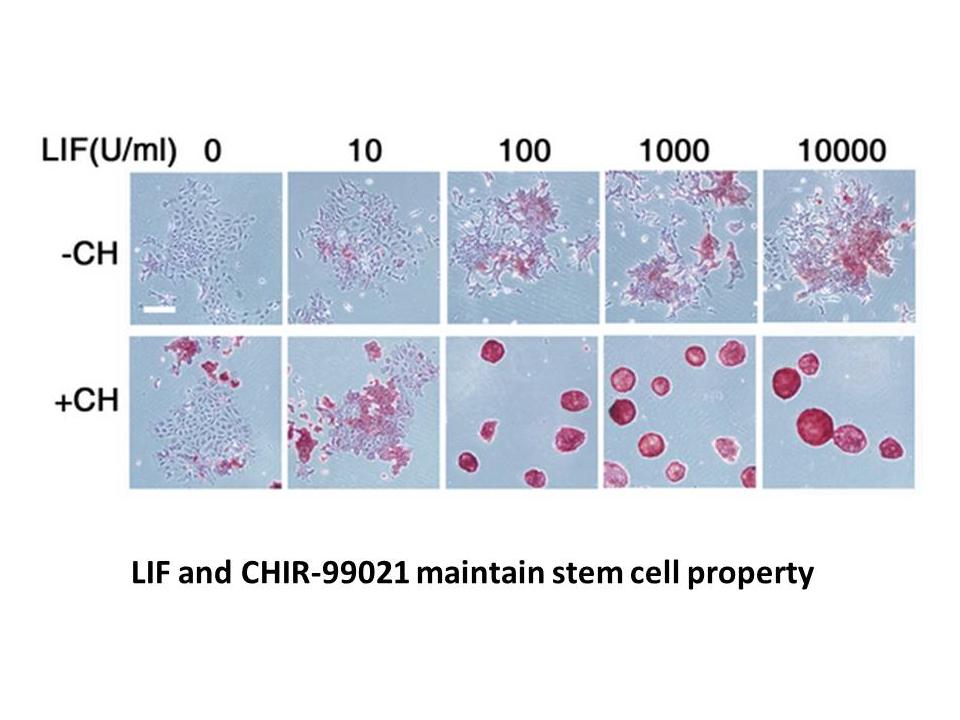
Animal fat appears to increase C. perfringens counts compared with vegetable oil, so there may indeed be some advantage to vegetable diets at least in terms of fat sources (Knarreborg et al., 2002). Small grains such as wheat, rye, oats, and barley, with high levels of non-starch polysaccharides are
-
For the first series we
2025-01-17
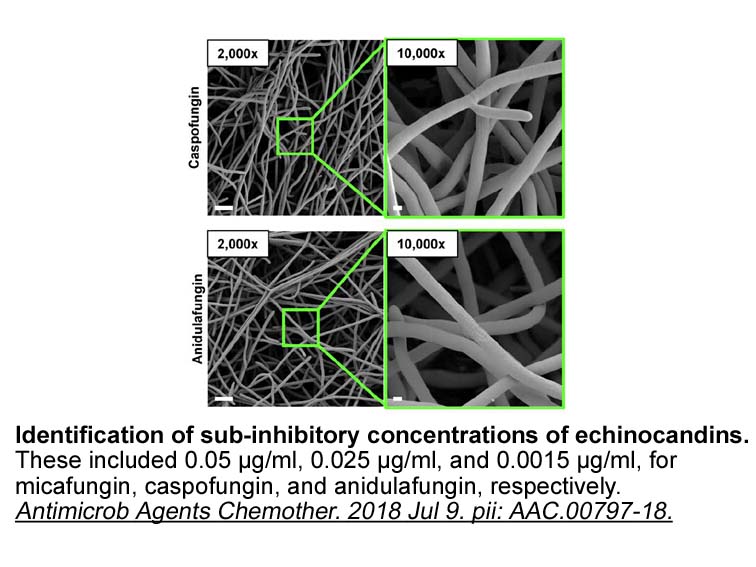
For the first series we decided to verify the effects induced, on the ALR2 inhibitory properties, of an additional steric hindrance on the carbon in α position with respect to the carboxylic group, by introducing a methyl group (R2=Me). Therefore, we synthesized a series of new α-alanine derivatives
-
GDC0449 The AHR potentially enhances IDO expression possibly
2025-01-17
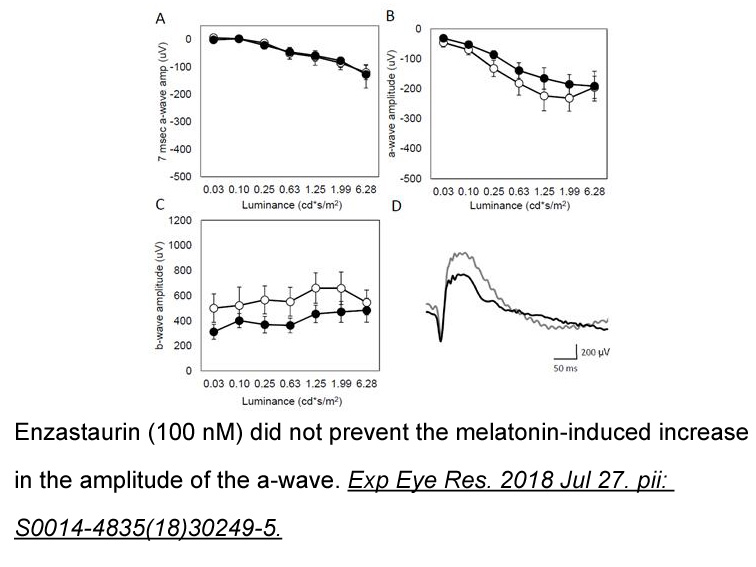
The AHR potentially enhances IDO-expression, possibly via crosstalk with several inflammatory signaling pathways (shown by now for IL6 and ‘signal transducer and activator of transcription’ (STAT) 3, and for NFκB, toll like receptor-pathways) [56,59,60]. IDO metabolizes Trp to kynurenines, which are
-
Ultraviolet UV spectroscopy is commonly used
2025-01-17
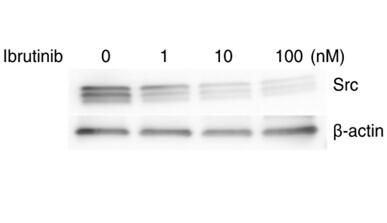
Ultraviolet (UV) spectroscopy is commonly used for screening potential ADA inhibitors [15]. In the UV method, the ADA reaction is calculated by measuring the decrease in absorbance of the substrate at 265 nm or increase in absorbance of the product at 248 nm. However, AD and inosine share a very clo
-
In terms of the ring B C position while C
2025-01-17
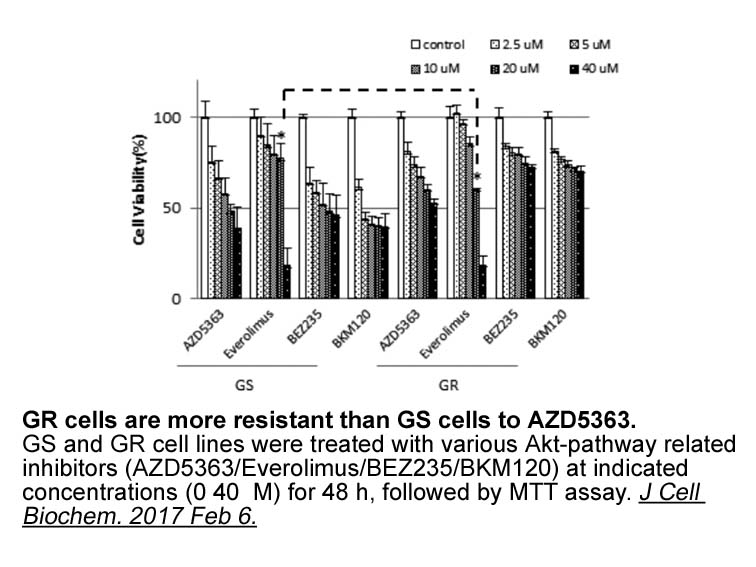
In terms of the ring B C5′ position, while C5′-F (compound ) was tolerated, C5′-Me (compound ) and C5′-Cl (compound ) substitutions resulted in a loss in potency. However, the C5′-OMe substitution (compound ) resulted in a ∼3-fold increase in potency compared to . Modeling suggested a pseudo hydroge
-
br Experimental section br Conflicts of interest br
2025-01-17
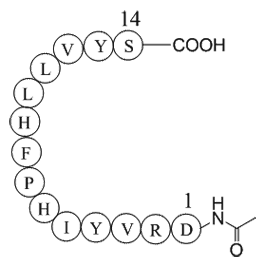
Experimental section Conflicts of interest Acknowledgments This work was partly supported by INSA-Rouen, Rouen University, CNRS, Labex SynOrg (ANR-11-LABX-0029), Région Haute-Normandie. Introduction A key component of the integrated management of key pests such as codling moth (Cydia po
-
This raises an important question May the
2025-01-17
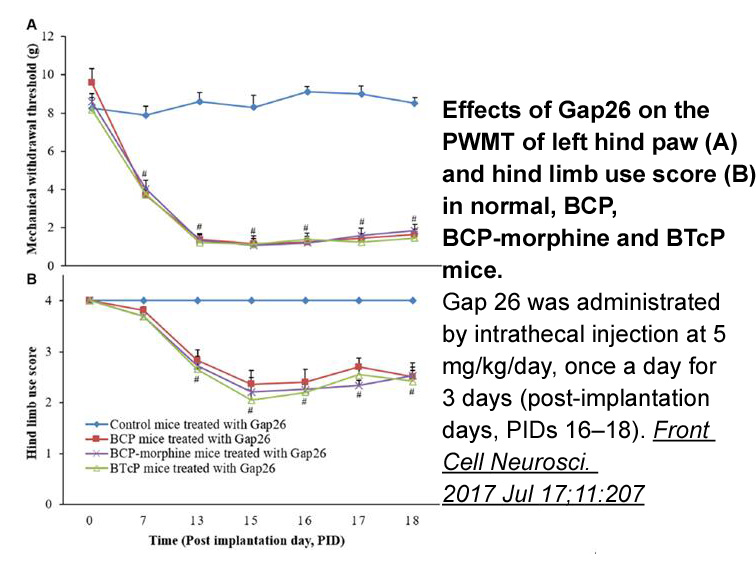
This raises an important question: May the lack of ethnolinguistic theories and of explicit references to language be related to the lack of contact with other groups and their languages? For the past few centuries at least, the Aché seem to have been culturally and linguistically isolated (Hill and
-
br Conflict of interest statement br Benign prostatic hyperp
2025-01-17
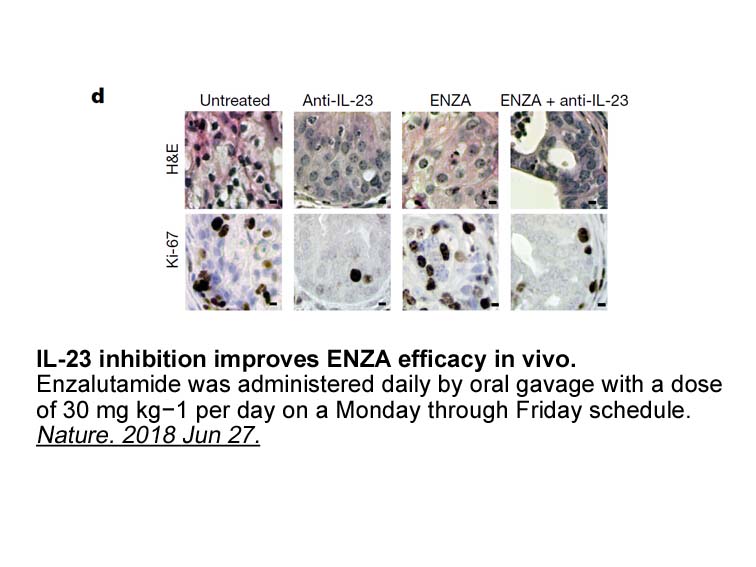
Conflict of interest statement Benign prostatic hyperplasia (BPH) is a highly complex process characterized by an increased number of epithelial and stromal Benzoylhypaconitine in the transition zone. , , Autopsy studies by McNeal detail the evolution of histological changes within these 2 ce
-
Until now five muscarinic receptor M genes have been cloned
2025-01-17
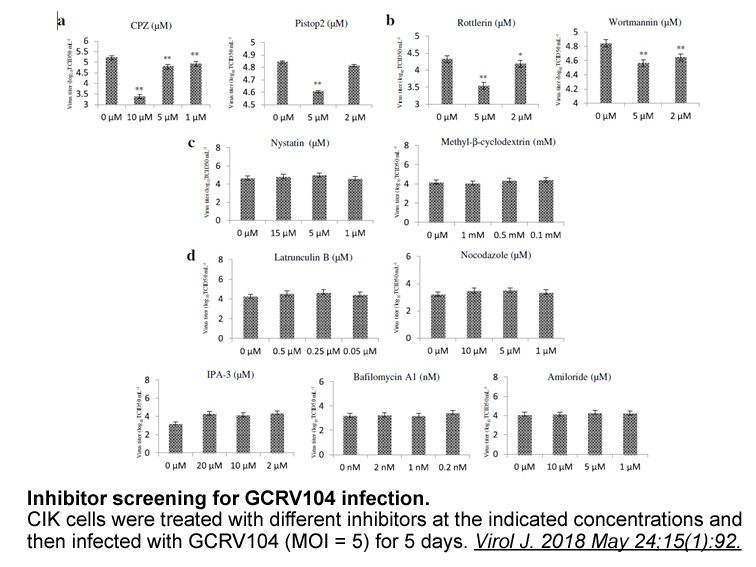
Until now, five muscarinic receptor (M1-5) genes have been cloned, but, M1-3 receptors are functionally recognized in the lungs. Smooth muscle contraction is mainly mediated by M3. M2 may also participate in the contraction via Gi protein which leads to a decrease in cAMP. On the other hand, M2 is l
-
Epiberberine receptor The role of DHT in early teleost embry
2025-01-17
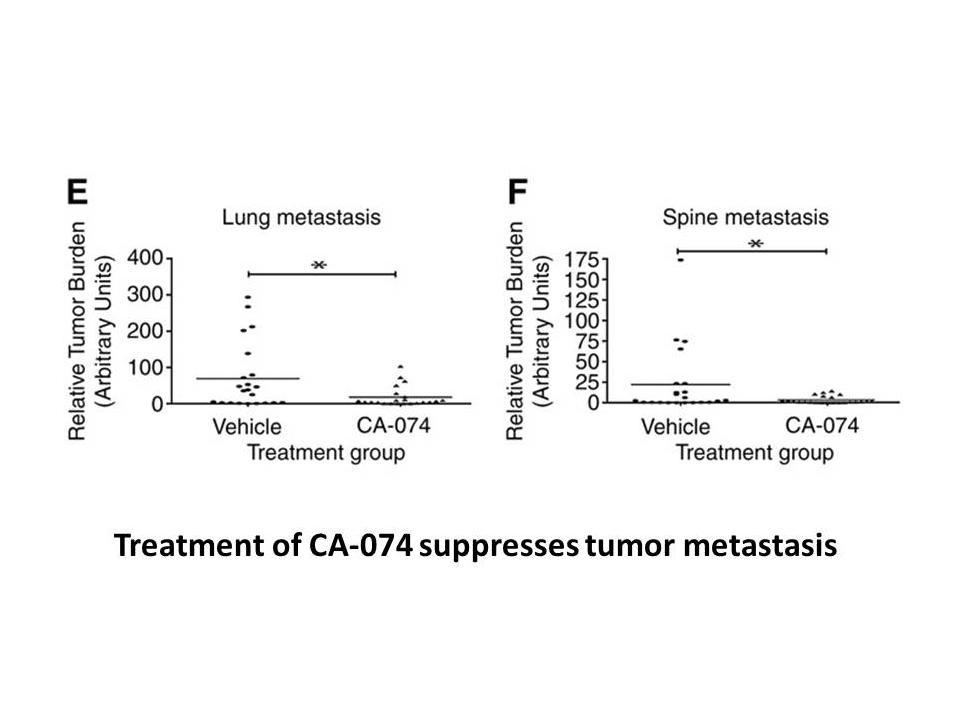
The role of DHT in early teleost embryogenesis is not entirely clear or established, however additional studies that treat fish embryos to DHT or to specific srd5a inhibitors at critical stages of development (i.e. prior to sex differentiation) will shed light on the early functions of this androgen
-
br Conflict of interest br Introduction
2025-01-17
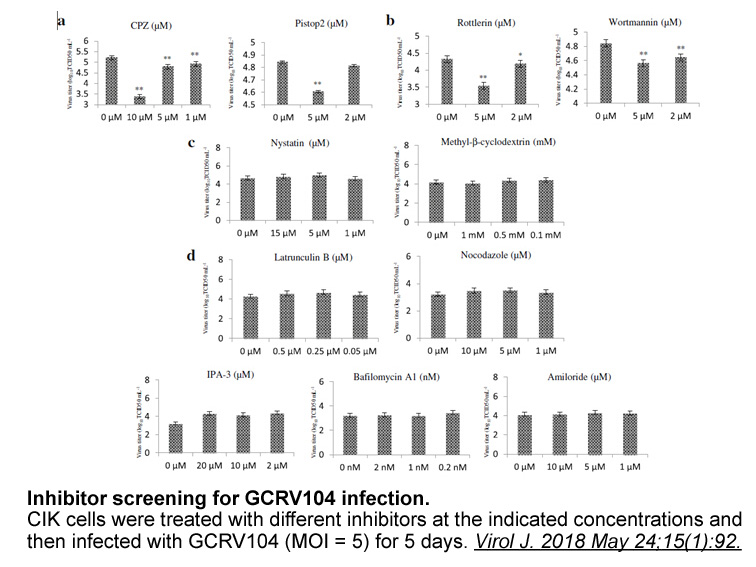
Conflict of interest Introduction Ovarian cancer is the most lethal gynecological malignancy, and ranks as the fifth leading cause of cancer death among women. The American Cancer Society estimates that about 22,280 new ovarian cancer cases and 14,240 deaths will occur in the United States in
-
Aurora A overexpression is also related to the
2025-01-17
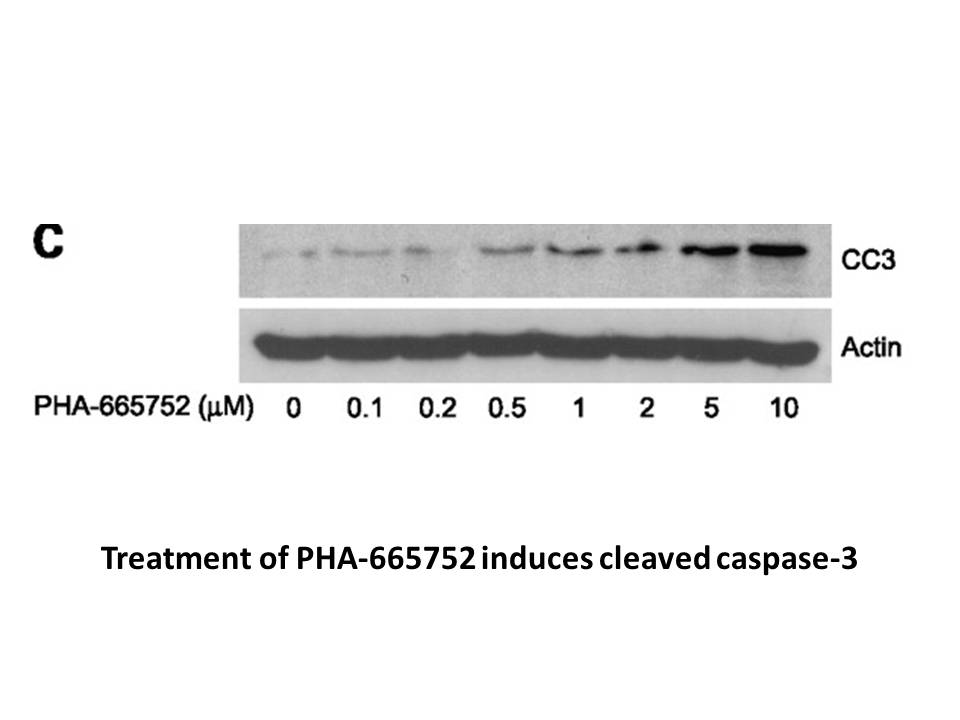
Aurora-A overexpression is also related to the activation of NF-κB, a potent anti-apoptotic effector that may play a role in preventing apoptosis in cancer Zoniporide hydrochloride receptor [18]. These data show that we are still at the beginning of unraveling the complex mechanism by which these
-
Several genes related to metabolism post transcriptional reg
2025-01-17
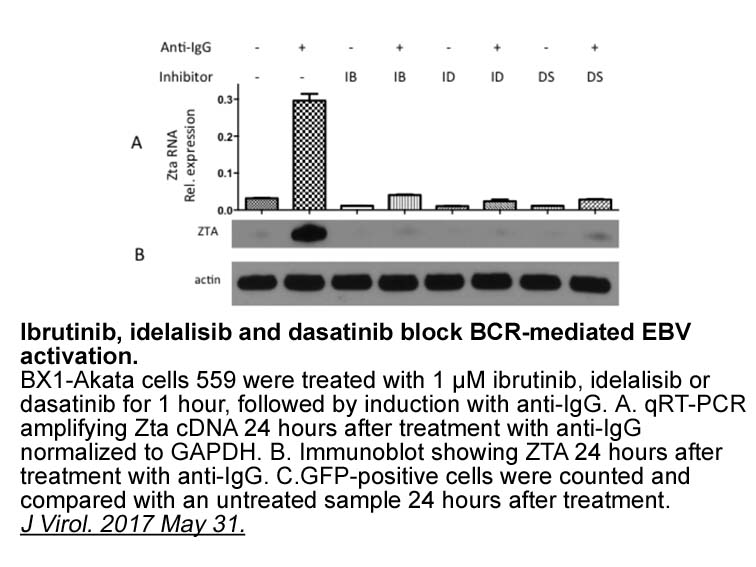
Several genes related to metabolism, post-transcriptional regulation, chromatin structure, and signaling pathways are required for the sexual development and virulence of G. zeae (Baldwin et al., 2010, Bluhm et al., 2007, Ding et al., 2009, Han et al., 2007, Hou et al., 2002, Jenczmionka et al., 200
-
Recent studies have demonstrated that in response to IR hund
2025-01-17

Recent studies have demonstrated that in response to IR, hundreds of substrates are phosphorylated in an ATM-dependent manner, clearly demonstrating the complexity of the ATM-mediated DDR pathways (Matsuoka et al., 2007, Bennetzen et al., 2010, Bensimon et al., 2010). However, evidence suggesting th
-
br ASK in Huntington s disease and other
2025-01-17
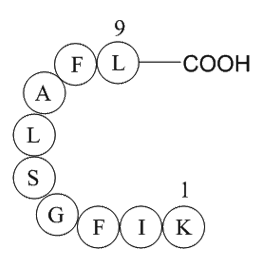
ASK1 in Huntington's disease and other polyglutamine diseases The polyglutamine (polyQ) diseases are a group of inherited neurodegenerative disorders caused by the expansion of cytosine-adenine-guanine (CAG) trinucleotide repeats in the coding regions of specific genes, leading to the production
16240 records 51/1083 page Previous Next First page 上5页 5152535455 下5页 Last page