Archives
- 2026-11
- 2026-10
- 2026-09
- 2026-08
- 2026-07
- 2026-06
- 2026-05
- 2026-04
- 2026-03
- 2026-02
- 2026-01
- 2025-12
- 2025-11
- 2025-10
- 2025-09
- 2025-03
- 2025-02
- 2025-01
- 2024-12
- 2024-11
- 2024-10
- 2024-09
- 2024-08
- 2024-07
- 2024-06
- 2024-05
- 2024-04
- 2024-03
- 2024-02
- 2024-01
- 2023-12
- 2023-11
- 2023-10
- 2023-09
- 2023-08
- 2023-07
- 2023-06
- 2023-05
- 2023-04
- 2023-03
- 2023-02
- 2023-01
- 2022-12
- 2022-11
- 2022-10
- 2022-09
- 2022-08
- 2022-07
- 2022-06
- 2022-05
- 2022-04
- 2022-03
- 2022-02
- 2022-01
LbGlcK and the HsHxKIV d glucose complex PDB entry IDH
2022-01-07
LbGlcK and the HsHxKIV-d-glucose complex (PDB entry 3IDH) [17] were superimposed from individual subunits. The active site regions revealed the key Fluorescein-12-dUTP binding residues to be present for LbGlcK; also, the superposition showed that HsHxKIV had residues that were absent in LbGlcK, suc
It is notable that pharmacological or genetic inhibition
2022-01-07
It is notable that pharmacological or genetic inhibition of GCGR signaling results in the engagement of a number of compensatory mechanisms that potentially impact glucose control. These include alpha-cell hyperplasia [2], [11], [12], [13] and increased beta-cell proliferation under low insulin cond
In a mouse model of hyperhomocysteinemia
2022-01-07
In a mouse model of hyperhomocysteinemia (a risk factor for the development of vascular dysfunction) it has been shown that myoendothelial communication is enhanced due to increased expression of Cx37 and IK1 5ar inhibitors mg [], allowing the propagation of endothelial signals to VSMC and thereby
The H autoreceptors distributed mainly in the CNS act as
2022-01-07
The H3 autoreceptors distributed mainly in the CNS act as a negative feedback on histamine synthesis and release from histaminergic neurons. Histamine is involved in many physiological functions such as sleep-wake regulation, circadian and feeding rhythm, thermal regulation, locomotion, learning, co
Sequences of HKI and HKII from humans
2022-01-07
Sequences of HKI and HKII from humans were compared to those of the Atlantic salmon to better understand the observation of HKI movement to the mitochondrial fraction in this study, as HKI in mammals is commonly assumed to be mostly passively regulated by product inhibition, with little evidence of
Bioinformatic analysis revealed a putative coiled
2022-01-07
Bioinformatic analysis revealed a putative coiled-coil SLD within CT229 which we show to be essential for intracellular replication and recruitment of Rab GTPases to the inclusion. Mutation of a single amino CHC residue in the SLD domain (CT229L120D) significantly reduced Rab binding and recruitmen
Reports of hyperlocomotion after administration
2022-01-06
Reports of hyperlocomotion after administration of ALX-5407 [27] coupled with the lack of hyperlocomotion after administration of SSR504734, a non-sarcosine, long-residence time, competitive inhibitor [19], suggested that the GlyT1 inhibitor chemotype may impact OP. Furthermore, a compound with a co
Resolving the molecular details of glyco
2022-01-06
Resolving the molecular details of (glyco)proteome variation in different tissues and organs of the human body is critical for the understanding of human biology and disease [59]. Glycoproteomic analysis of disease-related tissues and cells has provided valuable information to identify promising tar
With taurine or other molecules that
2022-01-06
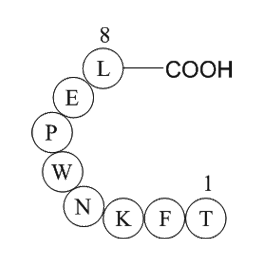
With taurine, or other molecules that might be transported by Eaat2, an important area of research will be how such a chemical regulates sleep. Indeed, taurine has been described to act on the nervous system in disparate ways — it can act as an inhibitory neurotransmitter, but also has a well-charac
considering Caffeine decreased EAAT and EAAT expression leve
2022-01-06
Caffeine decreased EAAT1 and EAAT2 considering levels in P2 fraction, as well as [3H]d-aspartate uptake; however, as soon as caffeine is removed from incubation, [3H]-d-Aspartate uptake is recovered to control levels, eliminating the possibility of caffeine as a cell death inducer. In resume, our
Caffeine decreased EAAT and EAAT expression levels in P frac
2022-01-06
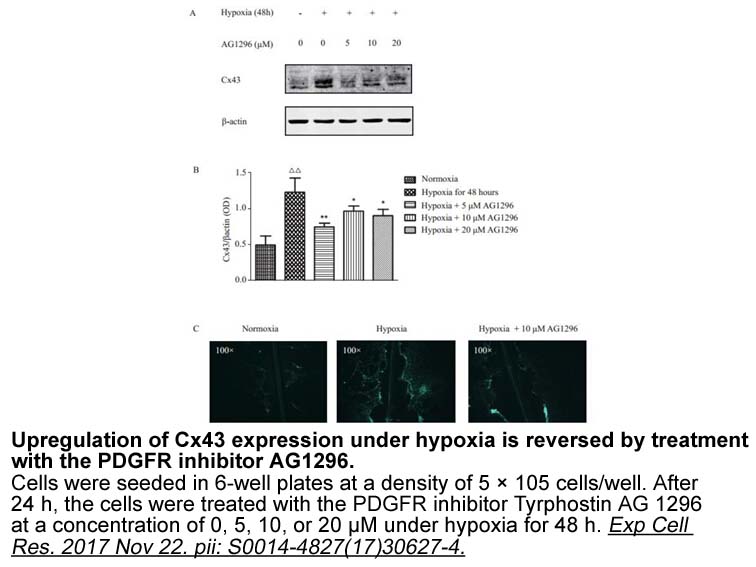
Caffeine decreased EAAT1 and EAAT2 prmt5 inhibitor levels in P2 fraction, as well as [3H]d-aspartate uptake; however, as soon as caffeine is removed from incubation, [3H]-d-Aspartate uptake is recovered to control levels, eliminating the possibility of caffeine as a cell death inducer. In resume,
different The ghrelin receptor is expressed in a number of
2022-01-06
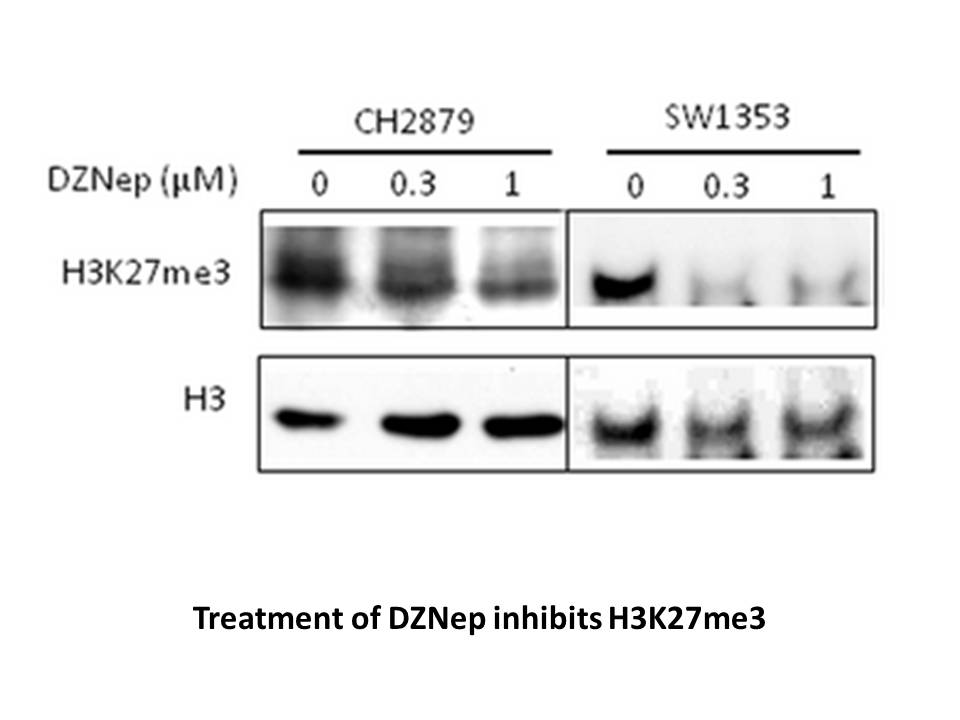
The ghrelin receptor is expressed in a number of human malignancies including prostatic carcinoma cell lines [18,19] and tissues [20], breast carcinoma tumours and cell lines [21], testicular tumours [22], and malignant ovarian cysts and tumours [23]. In addition, it has an elevated level of express
In general substrates that undergo regulated intramembrane
2022-01-06
In general substrates that undergo regulated intramembrane proteolysis are initially cleaved in the extracellular domain by sheddases such as TACE (TNFα converting enzyme) or ADAM (a disintegrin and metalloproteinase domain)/α-secretase, or by aspartyl proteases, such as BACE/β-secretase, before cle
br Gamma secretase trafficking GS activity for APP can
2022-01-06
Gamma-secretase trafficking GS activity for APP can be influenced by sub-cellular trafficking, as APP cleavage differs depending on its localization. APP is synthesized in the ER and transported to the trans-Golgi network (Annaert et al., 1999, Pasternak et al., 2003, Ray et al., 1999a, Rechards
Hydantoin in region F bridging the phenoxybenzene
2022-01-06
Hydantoin in region F bridging the phenoxybenzene and benzimidazole moieties was replaced by cyclic building blocks, diketopiperazine (25) and imidazolidinone (26), and linear bonds, amide (27) and urea (28). Analogs 25–28 possessing the linkers other than hydantoin were not tolerated in LBD of FXR,
8191 records 543/547 page Previous Next First page 上5页 541542543544545 下5页 Last page